Vincent Bach's Personal History
There are various sources of information on Vincent Bach and his many accomplishments. This timeline and additional references are the most complete guide to Vincent’s life and various major life events.
If you have additional timeline events or sources we should add, please contact us through the contact form on this site. All information is copyrighted per the original owner/source.
Vincent Bach - Major Events Timeline
1890
March 24
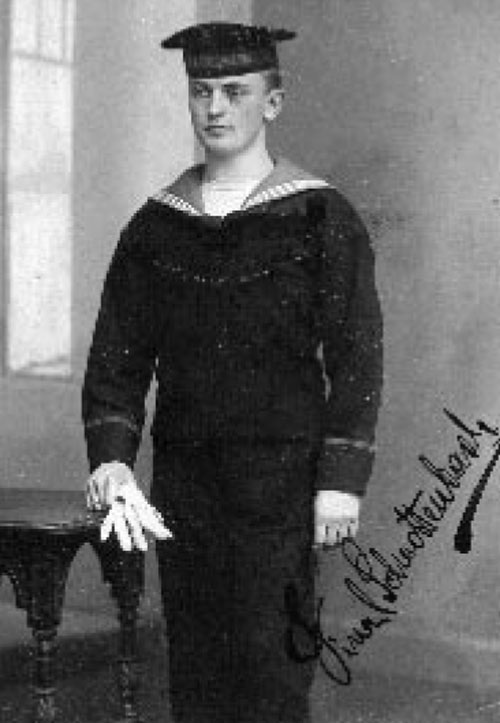
Vincenz Schrottenbach is born
- Hans Julius Bach, who would later work with Vincent in NYC.
- Heinrich Bach, which was named after Vincent’s father’s middle name.
source: 1915 Marriage license
source: US Army summary
1897
Vincenz Schrottenbach receives 1st trumpet
At the age of 7, Vincenz and his two brothers received three clarions (natural trumpets) in Eb. Vincent, also known as Vinci, took an immediate liking.
source: ITG Journal, Andre M. Smith, 1994
1897
Vincenz Father Dies
Around the age of 7, Vincenz’s father (Vincenz Heinrich Schrottenbach, Sr.) dies in a bicycle accident.
source: ITG Journal, Andre M. Smith, 1994
1904
Vincenz Schrottenbach – Cornet Student
Vincenz begins studying cornet with Georg Stellwagen.
“At fourteen, Vincent Bach began taking lessons from Georg Stellwagen, principal trumpet player with the Vienna Tonkunstler Orchestra. Mr. Stellwagen was considered one of the greatest trumpet virtuosos in Europe. “
source: The Story of Vincent Bach (1954)
1905 – 1910
Vincenz Schrottenbach – Engineering Student
Vincenz studies engineering at the Mashchinenbauschule in Wiener Neustadt.
Vincent graduates in July 1910, and registered for mandatory one year military service in the Austrian Navy.
source: ITG Journal, Andre M. Smith, 1994
1910
July
Vincent joins the Austrian Navy
Vincent joined to serve his one-year military service as Einjährig-Freiwilliger. (Ensign) Vincent served until July 1911.
Note: Vincent served as an engineer, not a musician.
source: BachLoyalist research
1911
July
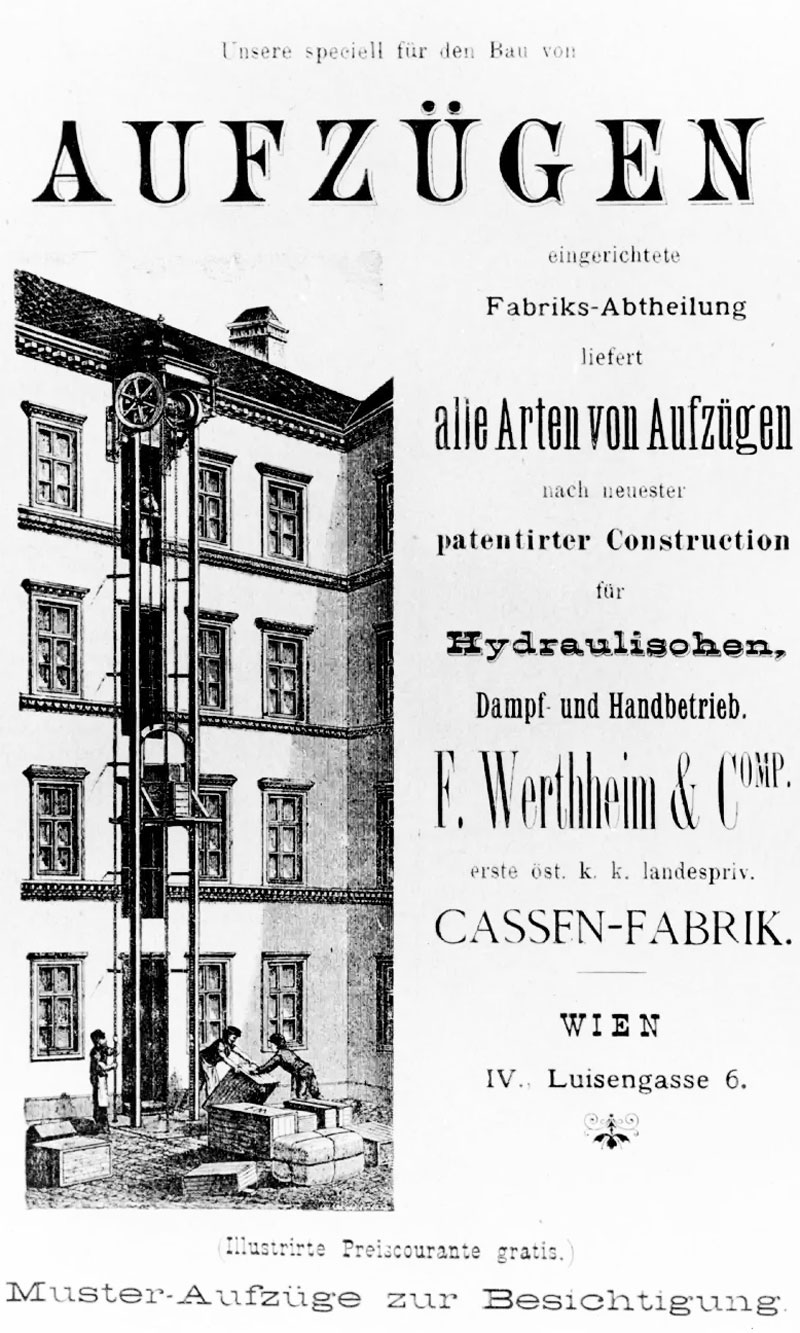
Vincent, an Elevator engineer
After 1 year of service in the Austrian Navy, Vincent returned home. He quickly found a paid job as a mechanical engineer at the Wertheim Kassen and Elevator Factory in Vienna, where he designed lifts and was paid $5.00 per week. (25 crowns).
He would leave this job, as he was making more salary as a soloist.
source: BachLoyalist Research
1912
December
Recalled to the Austrian Navy
Became the Cornet Virtuoso soloist with the Austrian Navy Marine band in Pula.
1913
April / May
Left the Austria Navy Band
Vincent Bach Cornet Virtuoso
1914
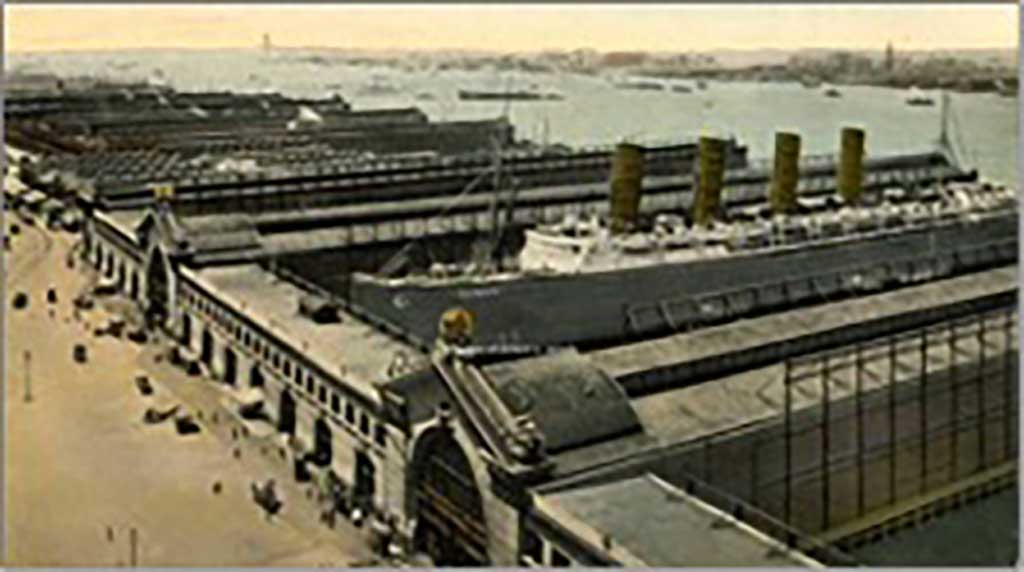
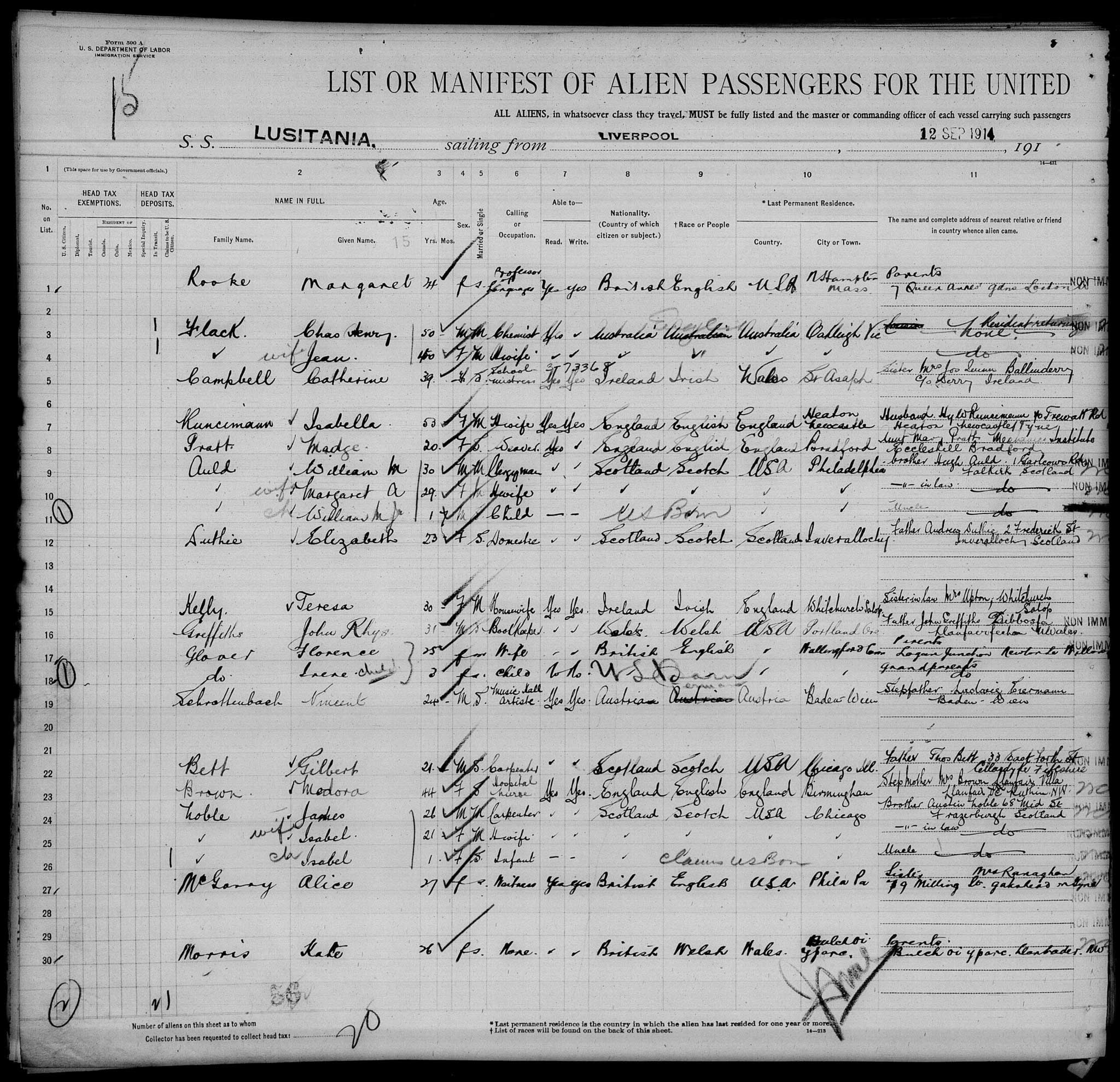
Sept. 12 – 18
1915
Feb. 9
Living in Boston, MA
Vincent Schrottenbach’s address is 52 Gainsborough St, Boston, MA.
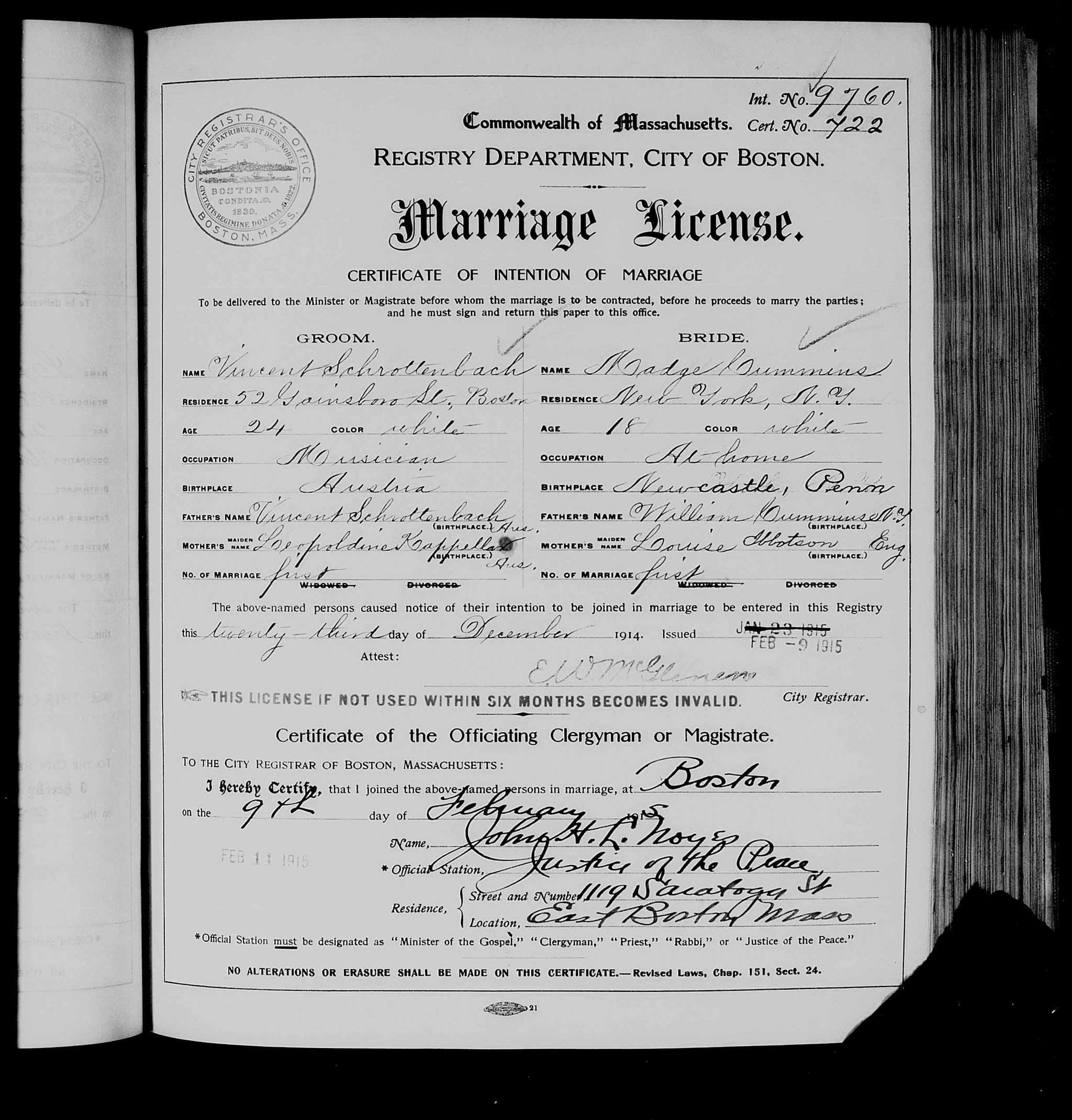
Married Madge Cummins
Married Madge Cummins in Boston, MA. Vincent Schrottenbach’s address is 52 Gainsborough St, Boston, MA. Madge Cummins’s address is New York City, NY.
Vincent mentioned in a letter to his daughter that “I was married once before – for just 3 weeks, and I suffered it for 4 more years.” [2]
source: Boston Marriage License 9 Feb. 1915
source: ITG Journal, Dec. 1994 (Smith)[2]
1917
June 5
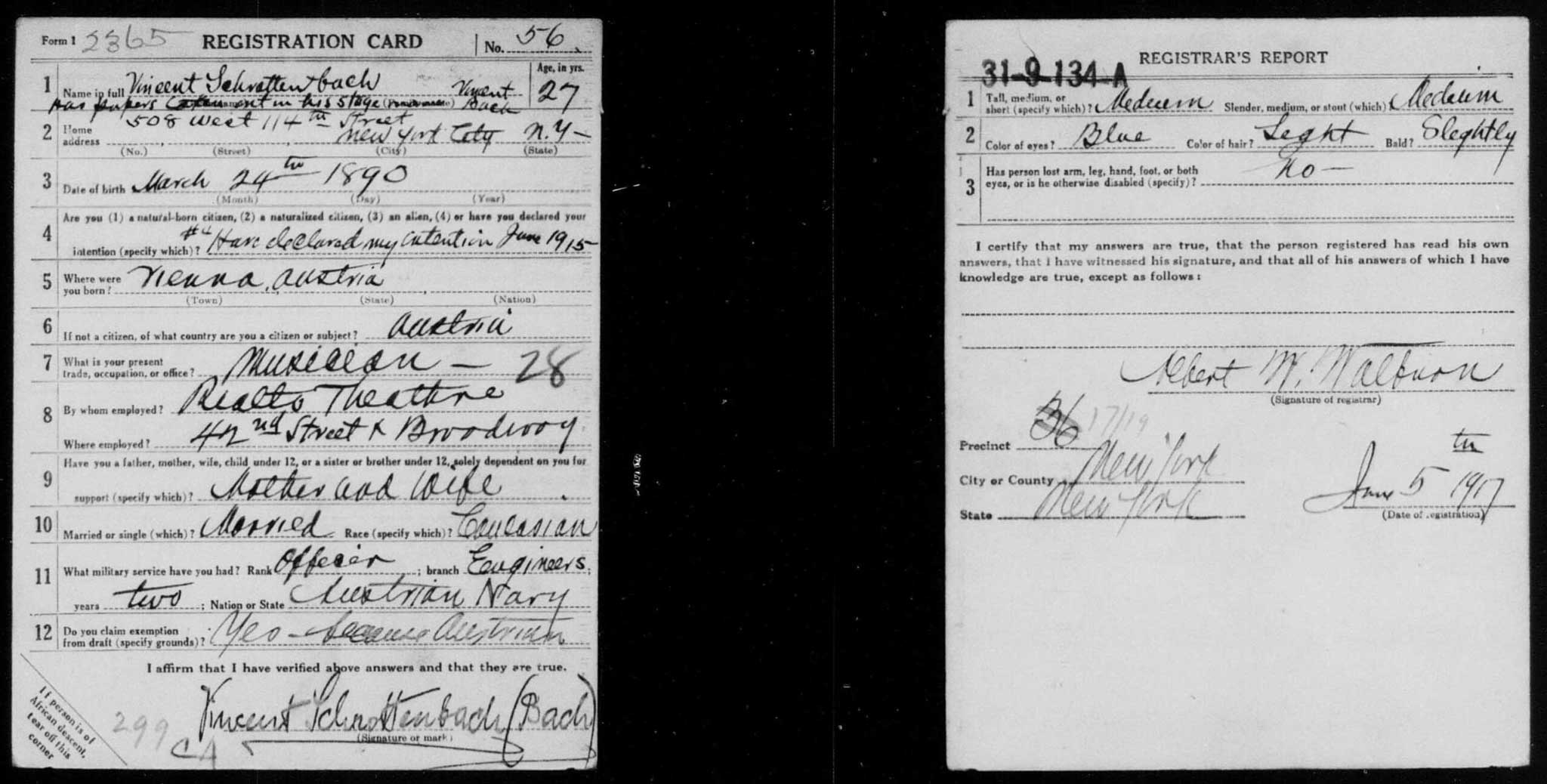
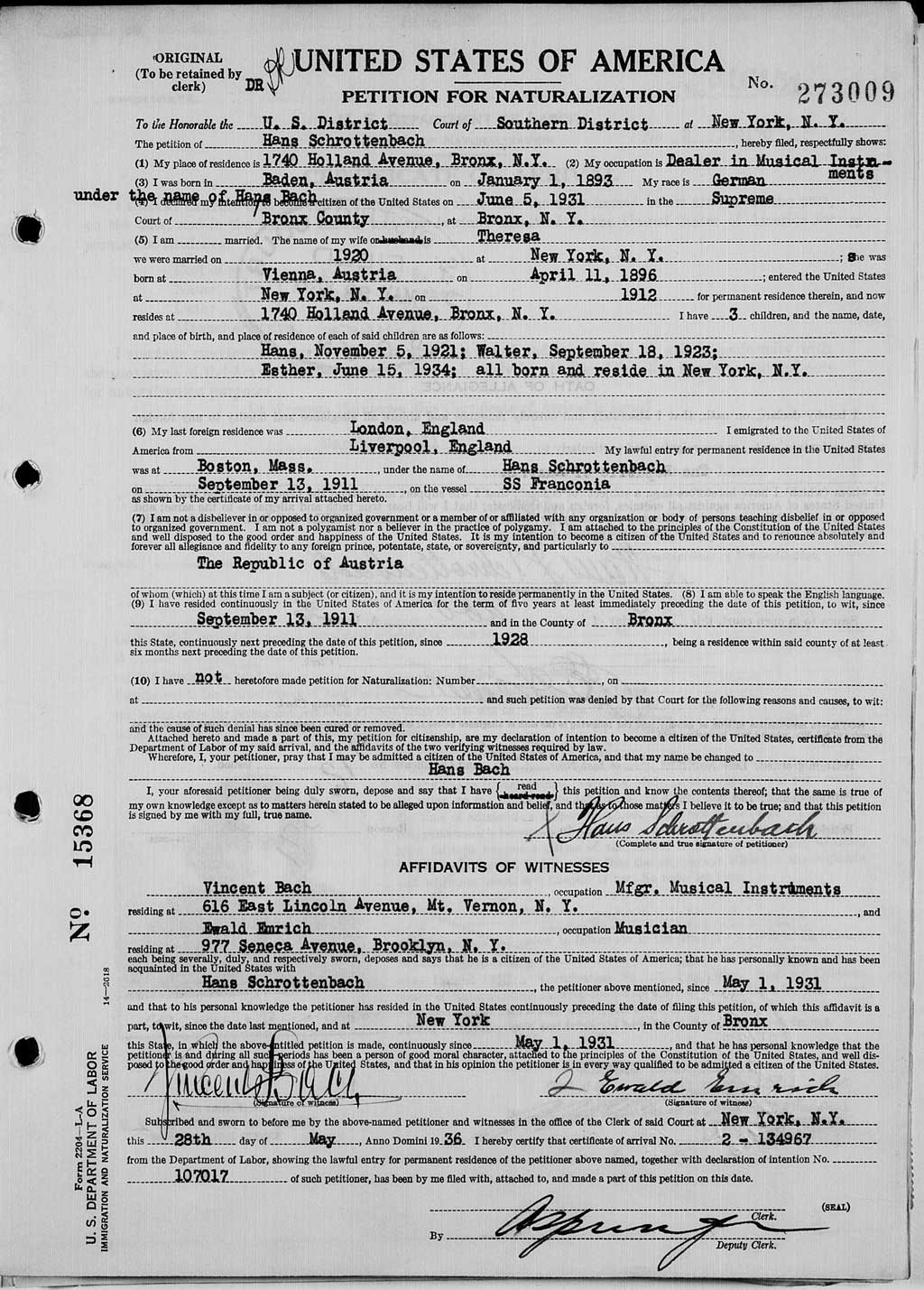
Declared Intention to become a US Citizen
WWI Draft Registration
Military Service Registration for WW1
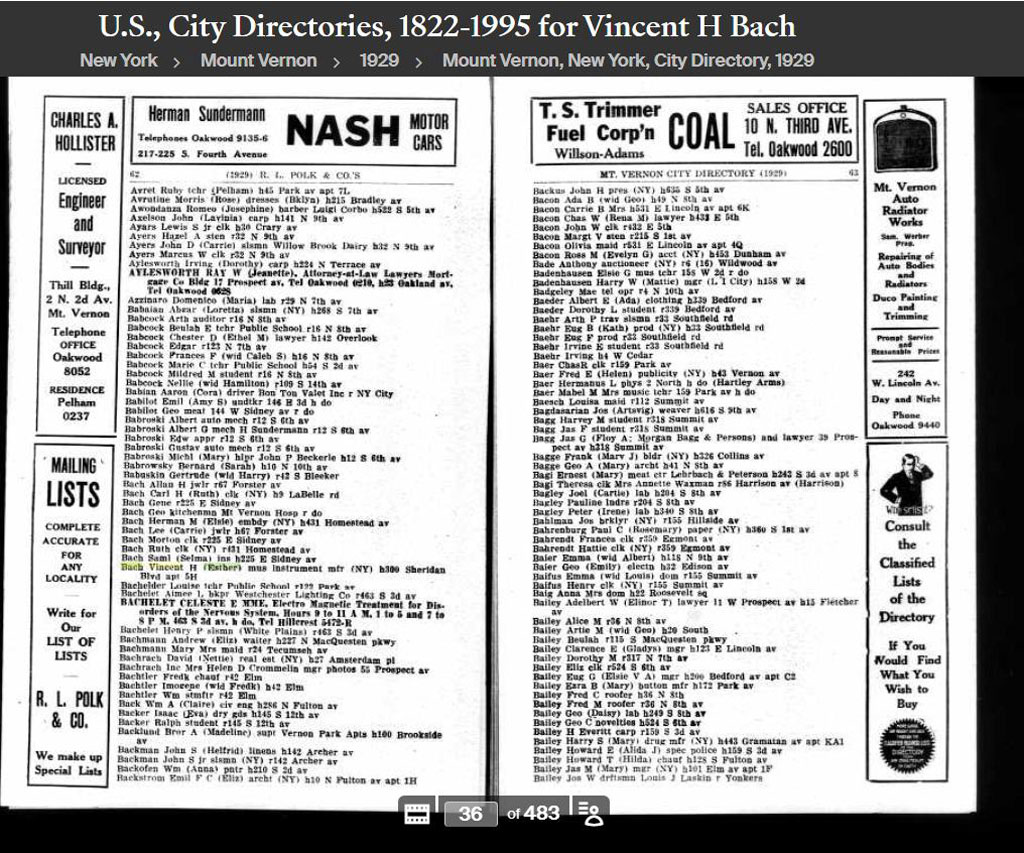
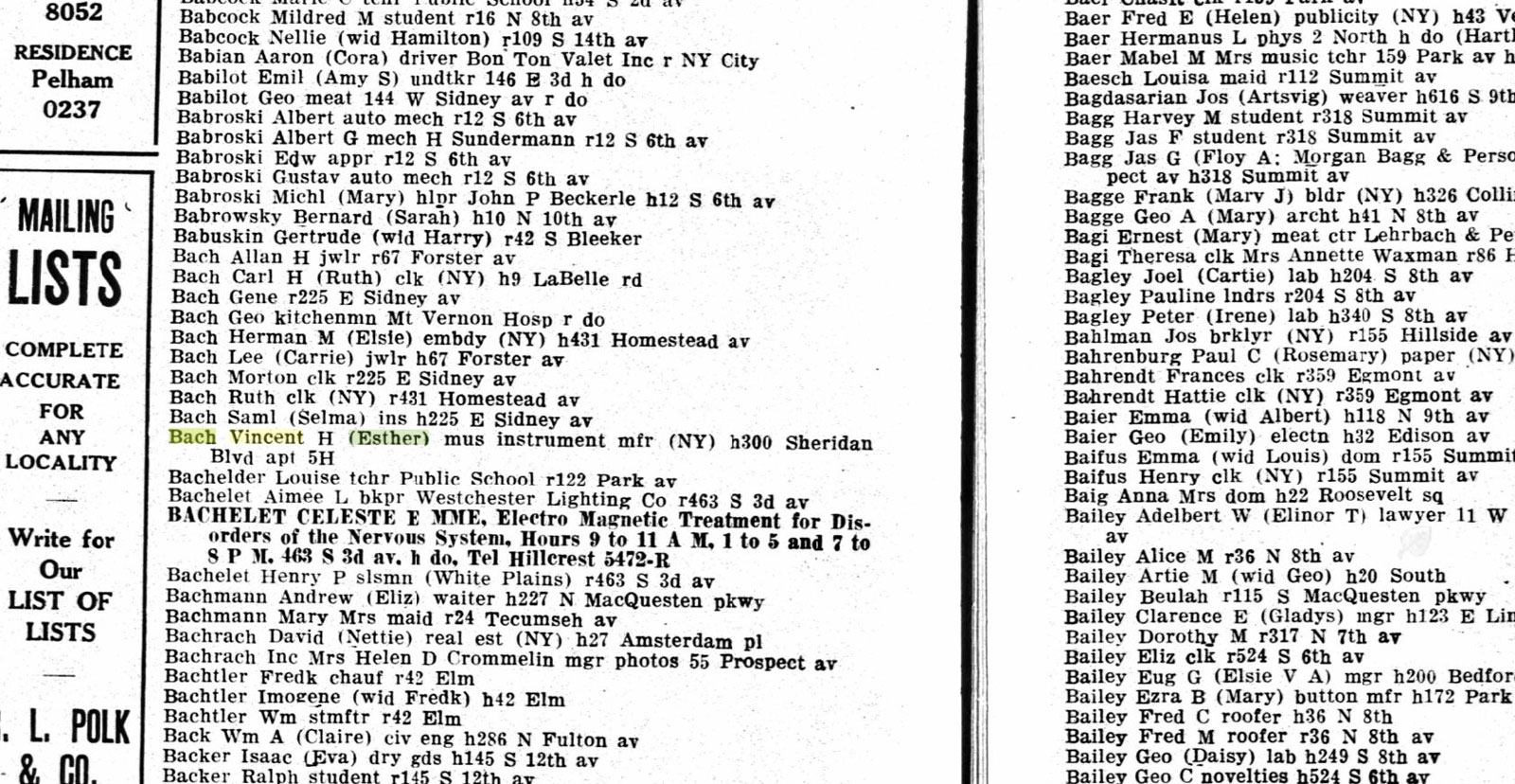
Living in NYC
Living at 508 West 114th Street, New York City.
Musician in NYC (Rialto Theatre)
Musician at the Rialto Theatre, 42nd Street & Broadway. New York City.
source: WWI Draft Registration Card
June 5th, 1917
1917
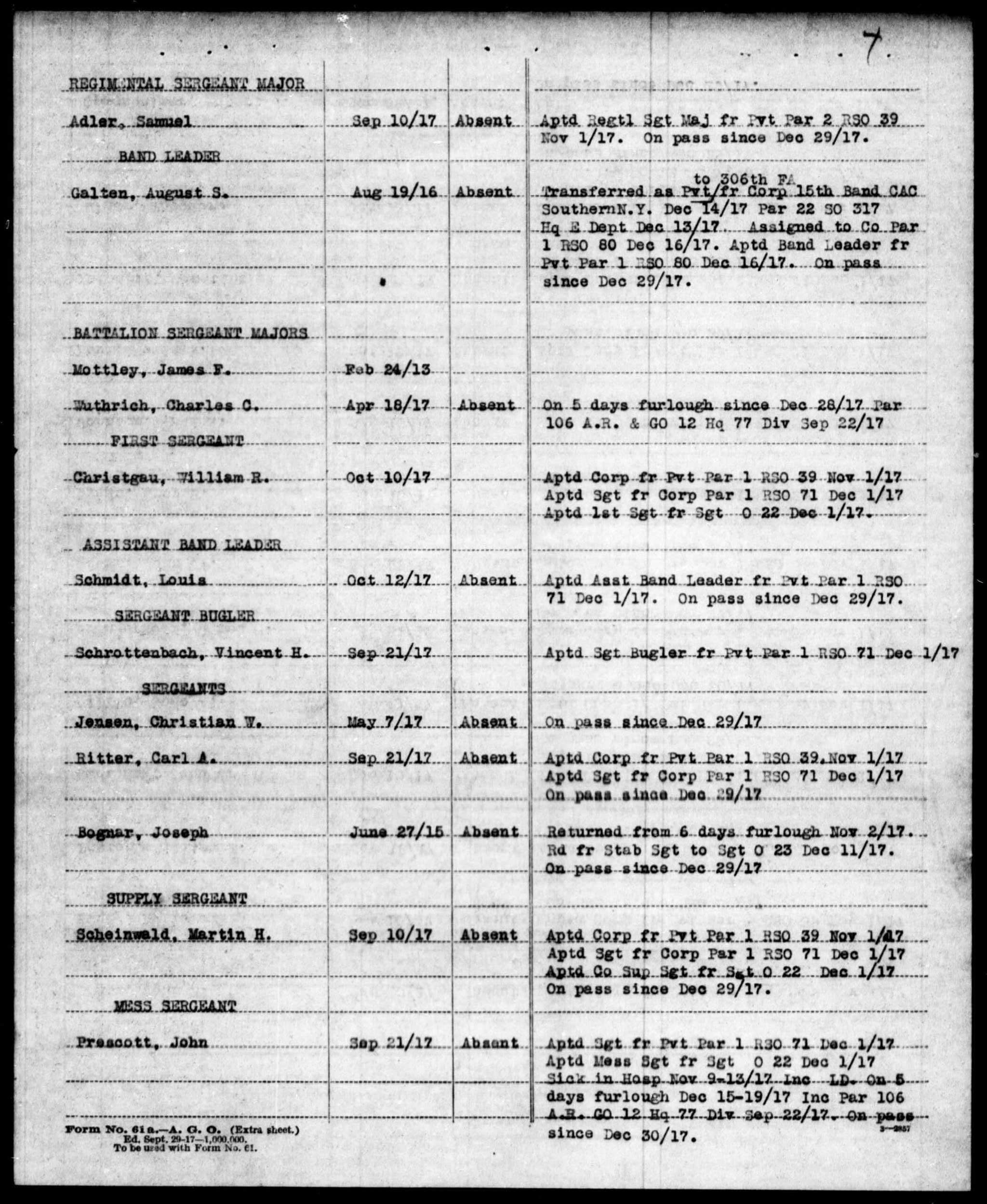
Sept. 21
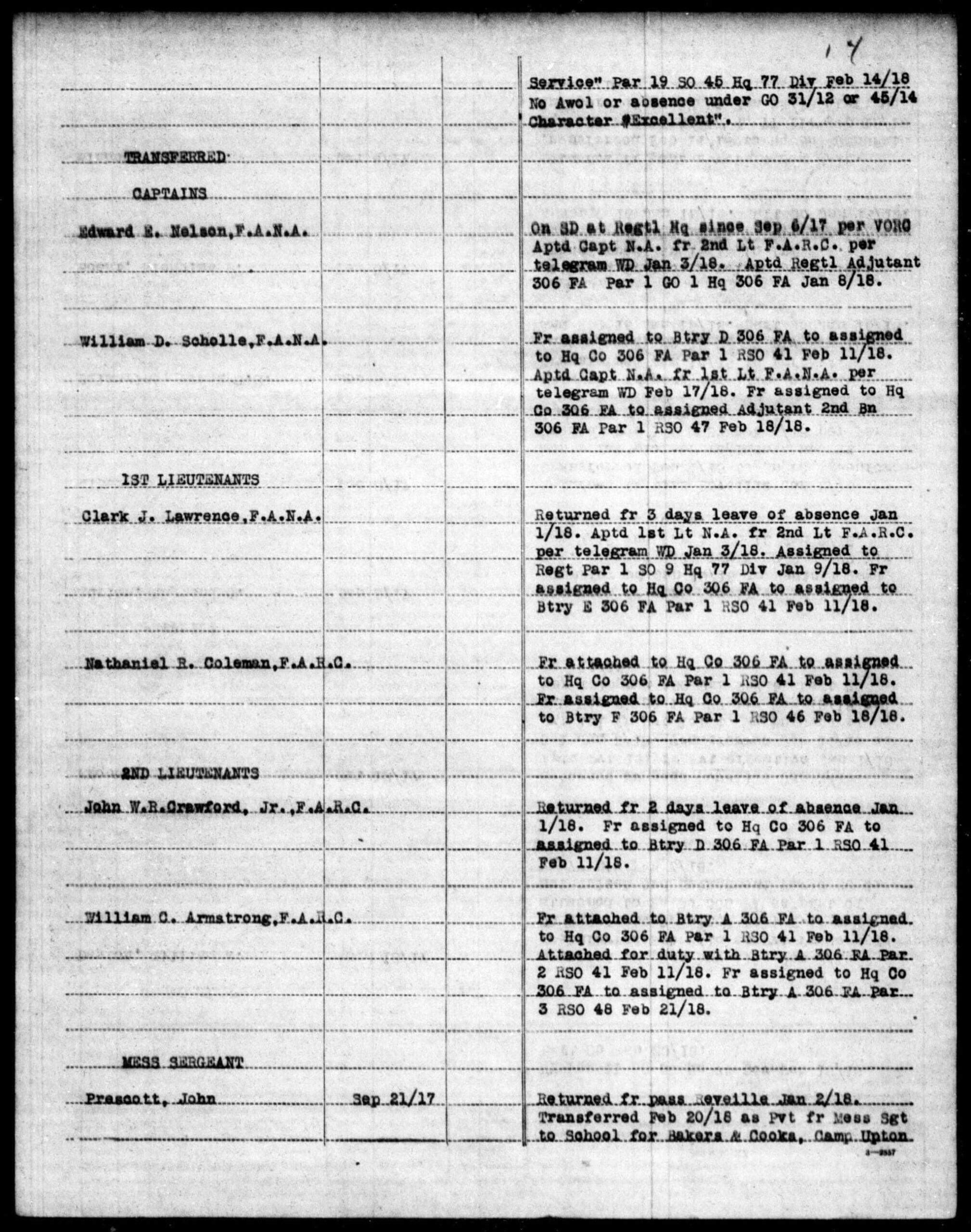
Appointed Sergeant Bugler in US Army
Camp Upton, NY
source: Enlisted & Officer Muster
1918
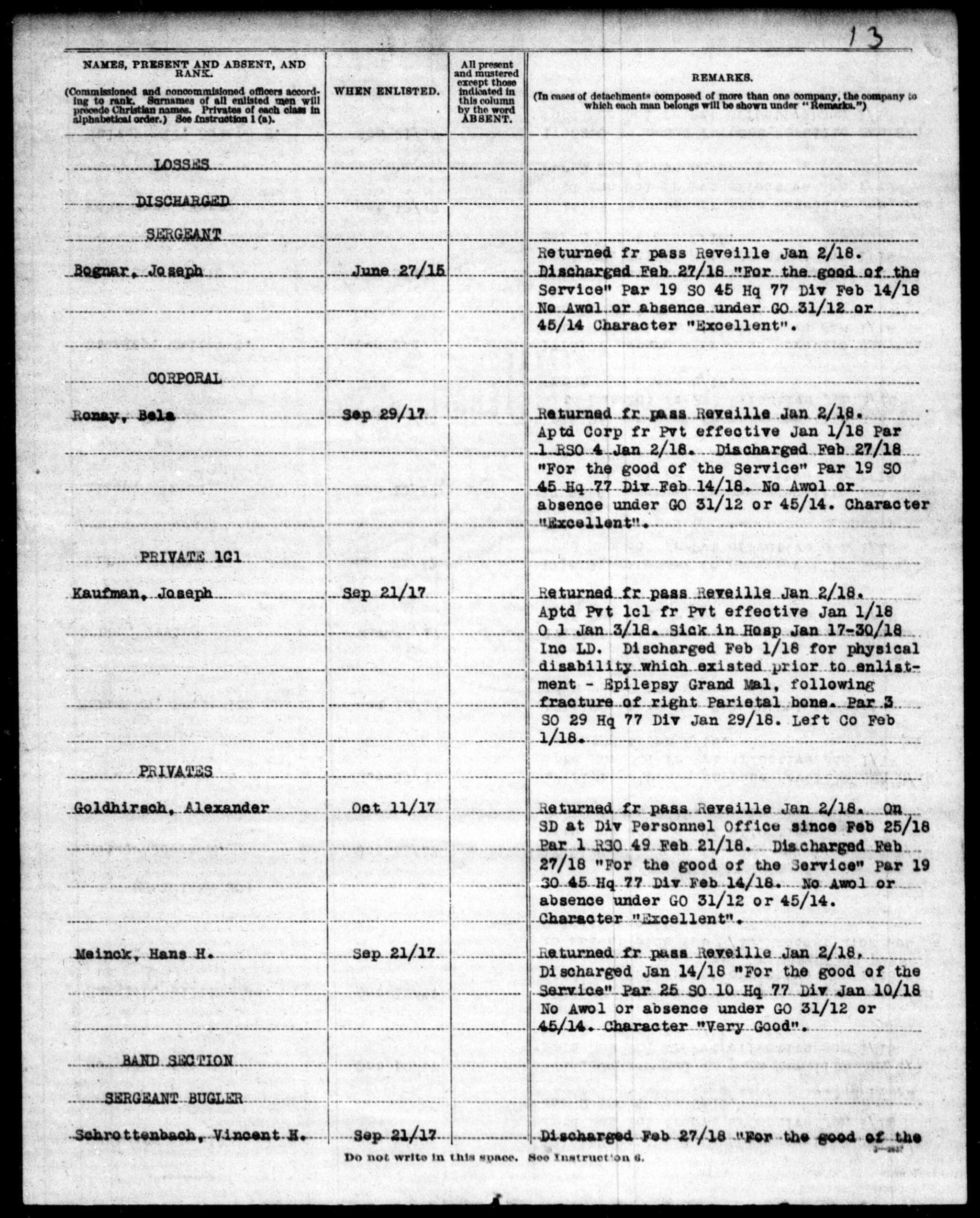
Feb. 27
Honorably Discharged from US Army
“For the good of the service”
“Character Excellent”
source: Enlisted & Officer Muster
1920
Sept. / Oct.
Divorce to Madge Cummings finalized in Sept. 1920, Filed October 1920. [2]
source: ITG Journal, Dec. 1994 (Smith)[2]
1924
Nov. 9
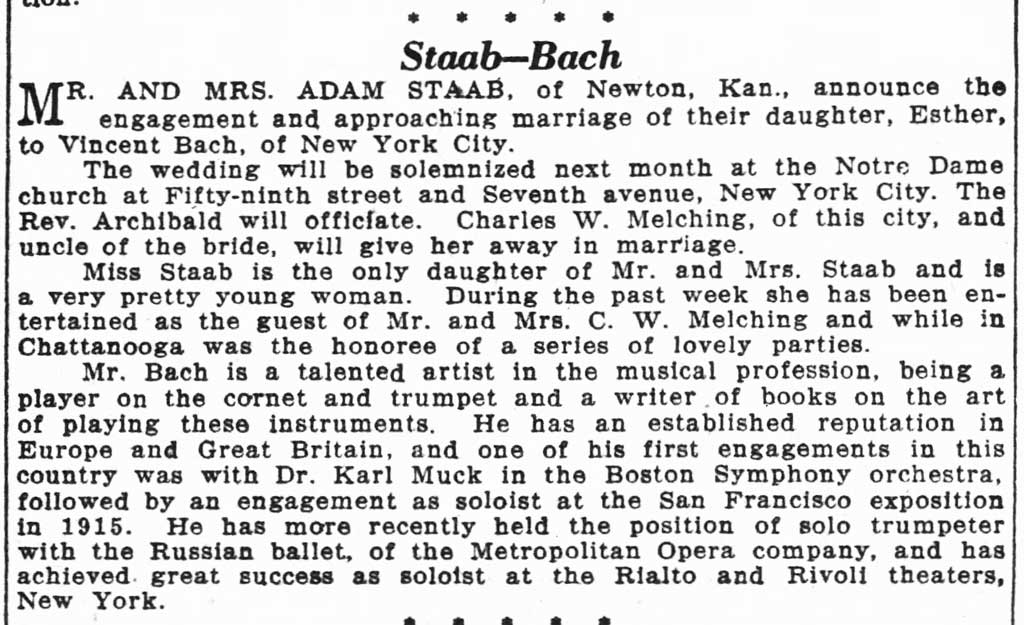
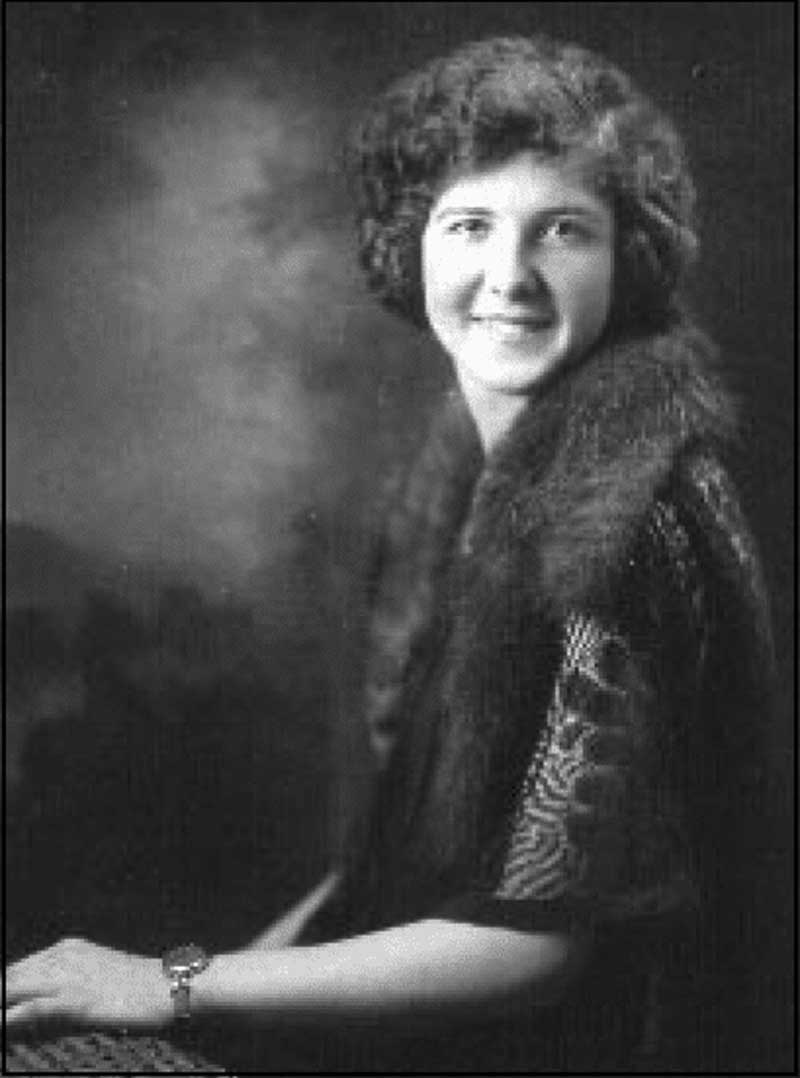
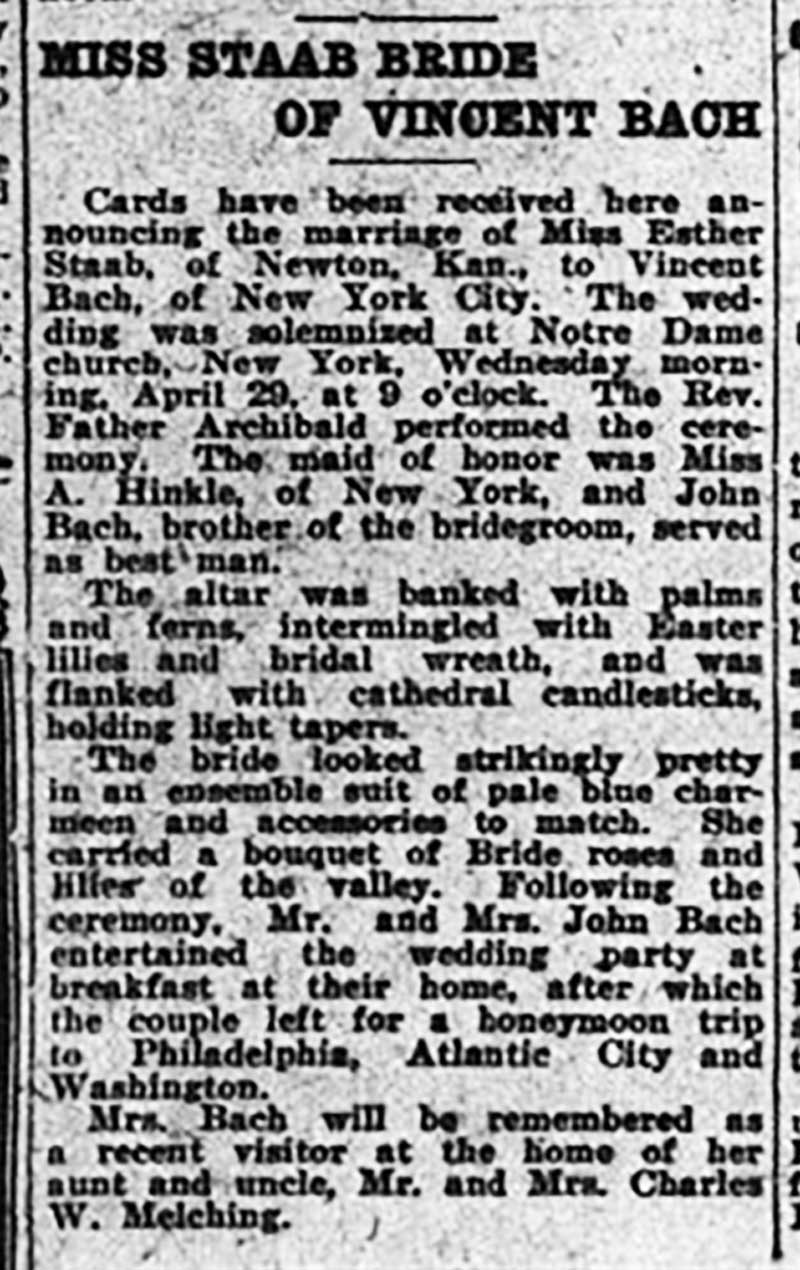
Met Esther Helen Staab
source: Esther Bach Diary
Dec. 1994 ITG Journal, page 23
1936
October 23
Bought a (hobby) farm in Harwinton, CT
Vincent and Esther bought a 116-acre farmhouse and property in Harwinton, Connecticut, on October 23, 1936.
Vincent & Esther later sold the farm, and the sale was recorded on September 23, 1948. The map below is the general area of the farm & property.
Special thanks to the town historian of Harwinton, Connecticut, who assisted us in completing this research.
source: Vincent Bach Autobiography
source: Harwinton, CT land records
(Vol 36, pg. 307) - Bought
(Vol 43, pg. 318) - Sold
1930s
–
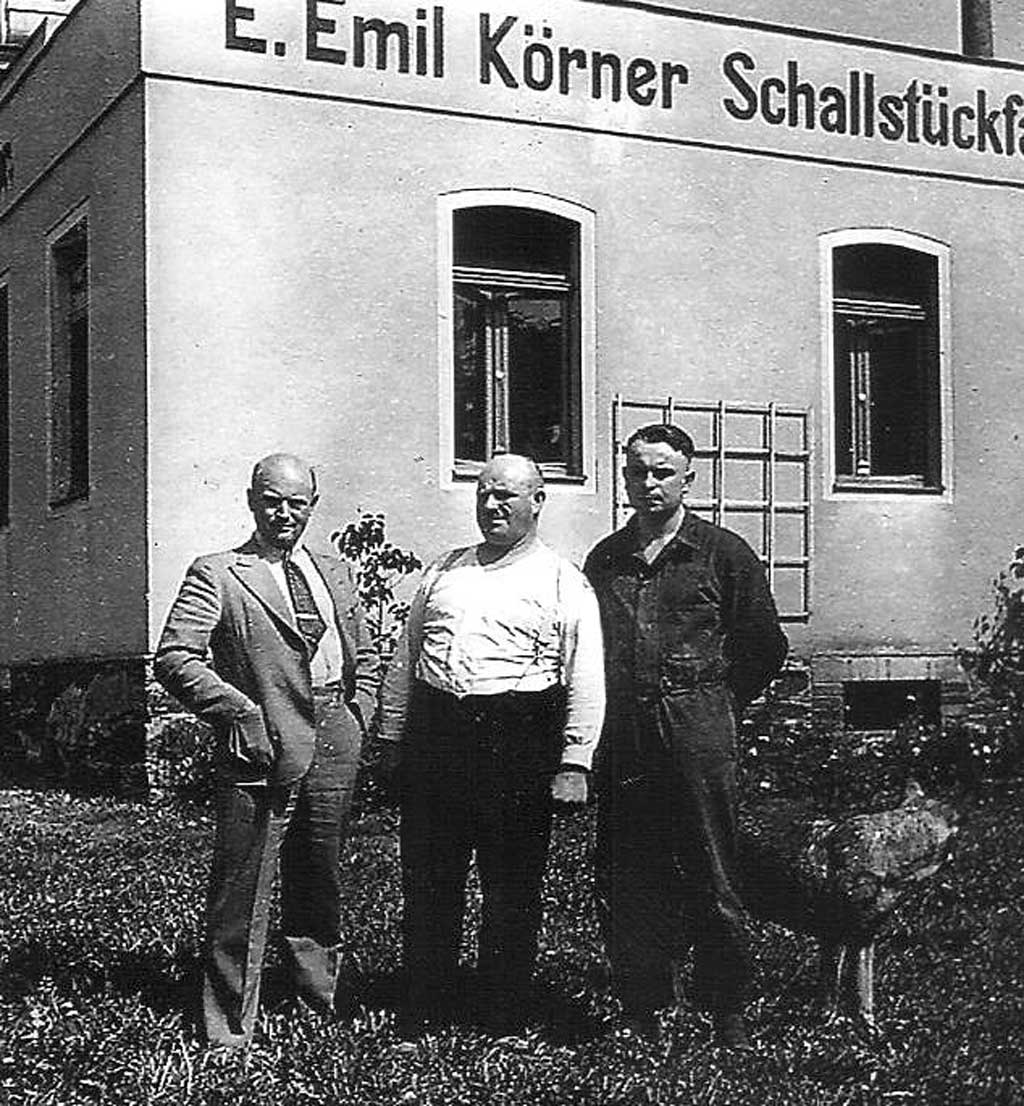
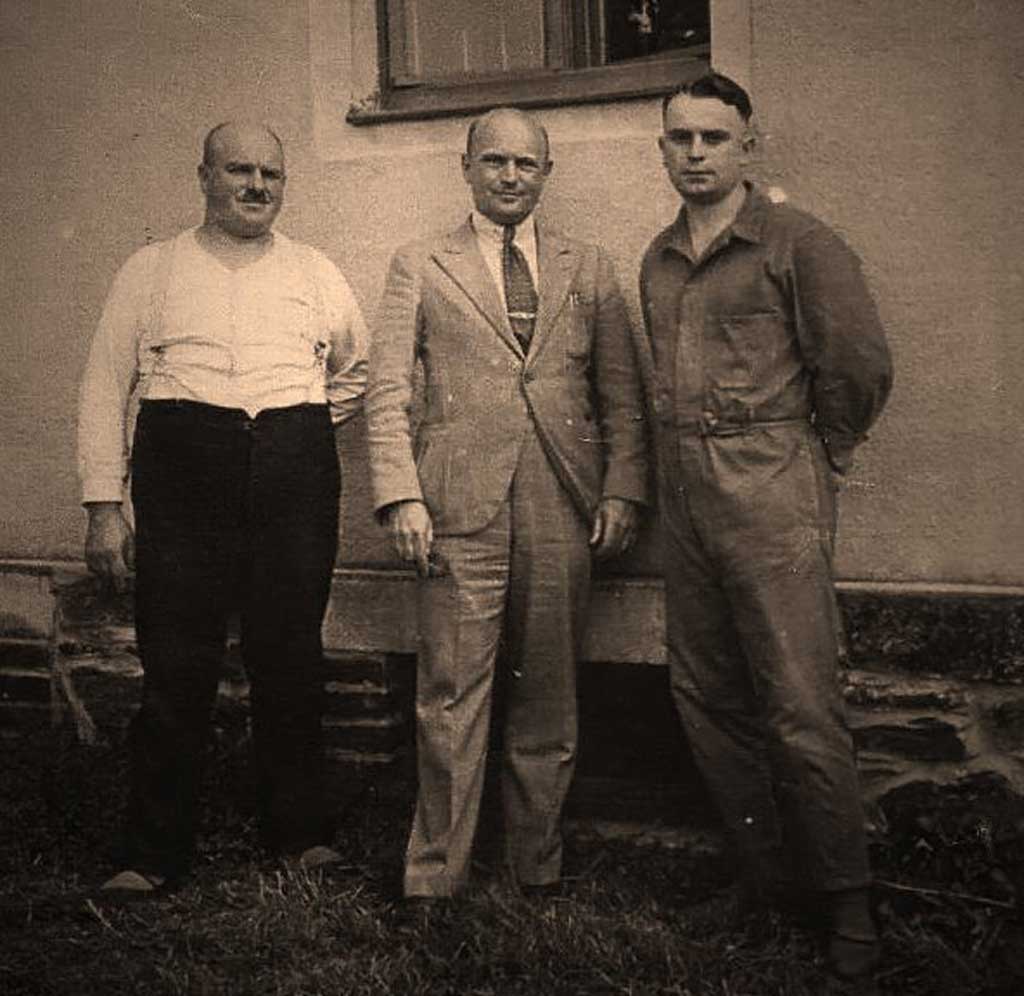
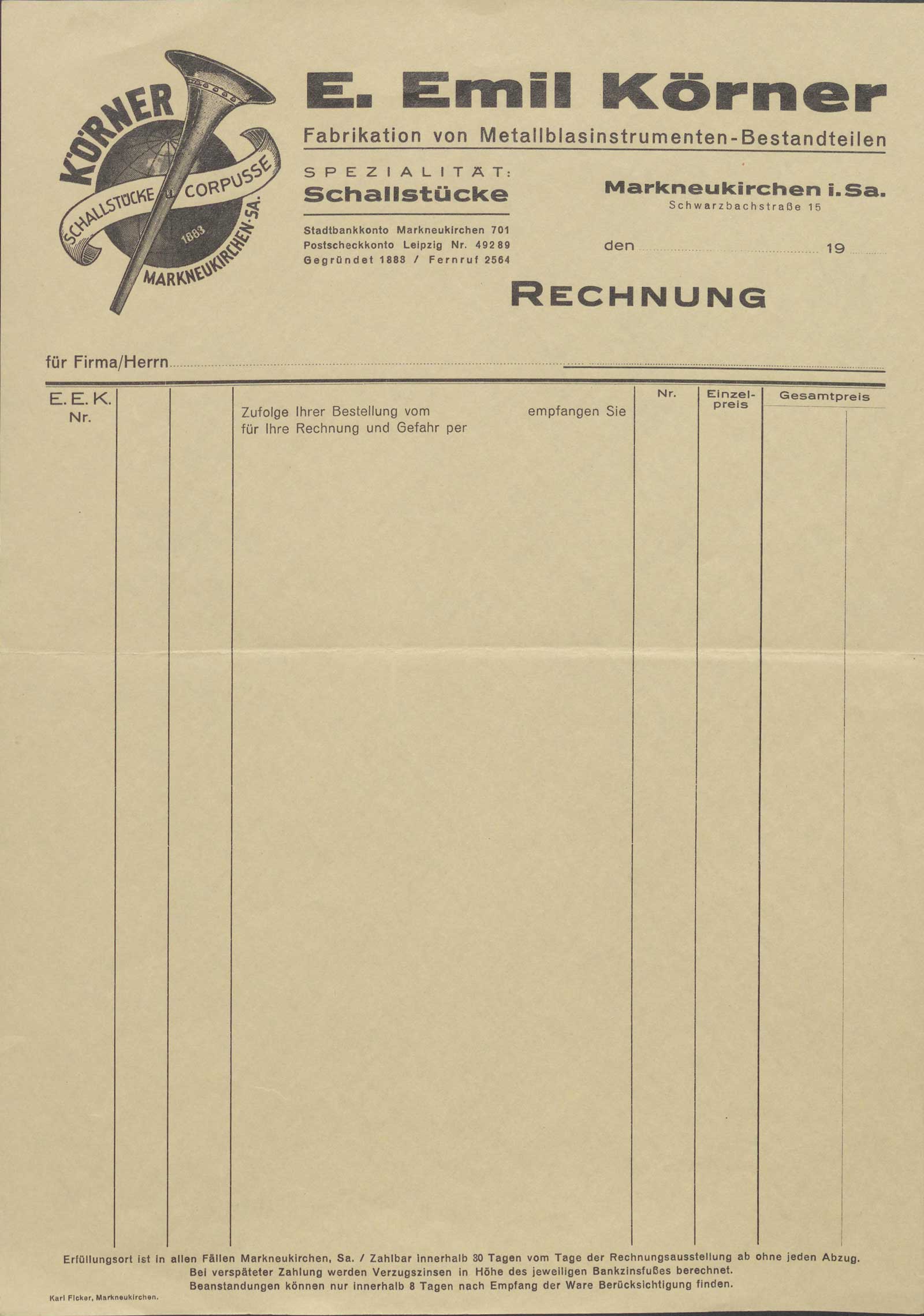
Visiting Emil Korner Factory
Vincent Bach visited Emil Körner’s bell-making factory in Markneukirchen, Germany, in the 1930s before World War 2 started.
Emil Körner, his son Moritz, and Vincent Bach in front of the factory building.
source: The Selmer Company, Inc.
source: Sachsen Digital: E. Emil Körner
1939
December 19
1940
Sept. 4
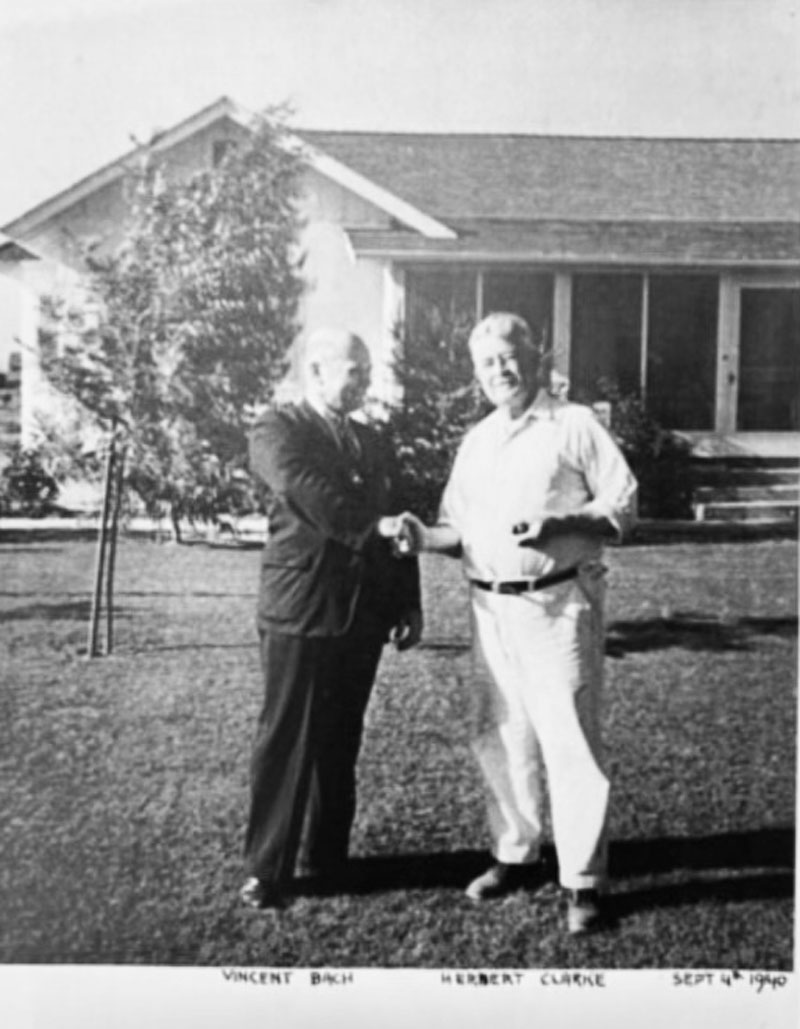
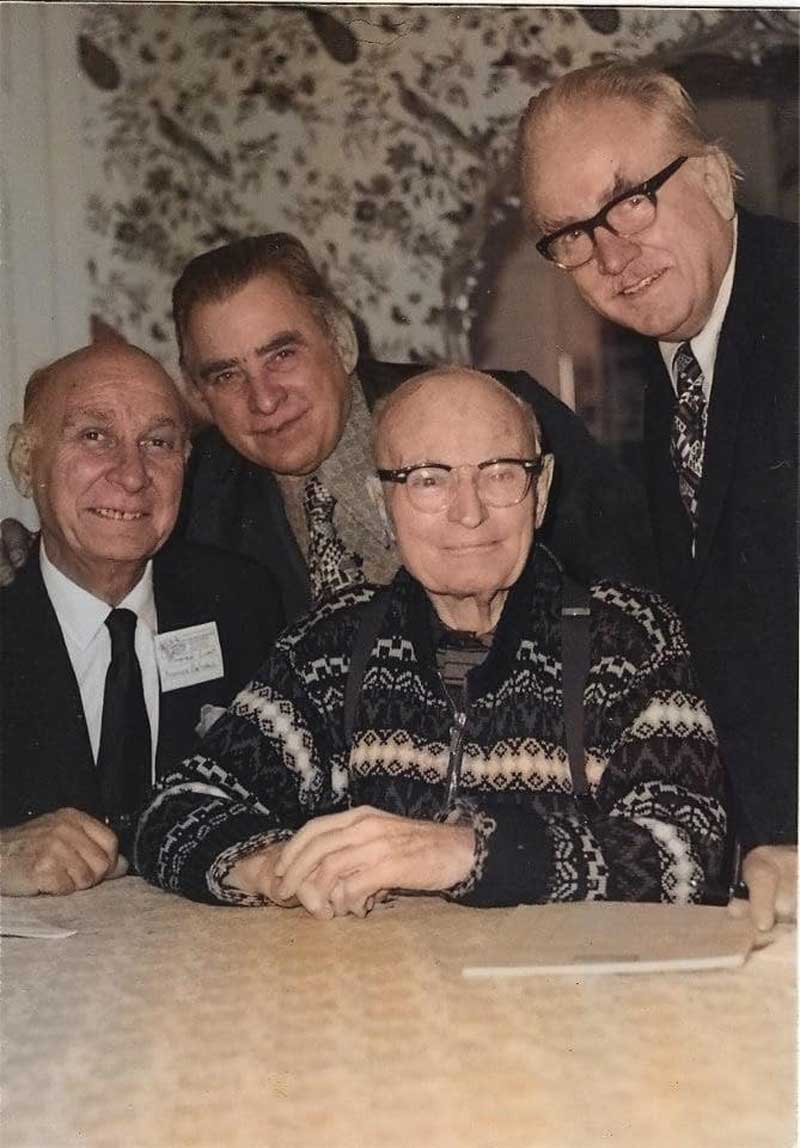
Herbert Clarke
Meeting with Herbert Clarke on September 4, 1940 at an unknown home.
Herbert’s full-time residence in 1940 was at 245 Prospect, Long Beach, California, and does not match the home in this photograph.
source: Vincent Bach Archives, Conn Selmer
source: Herbert L. Clarke, Wikipedia
1946
July 29
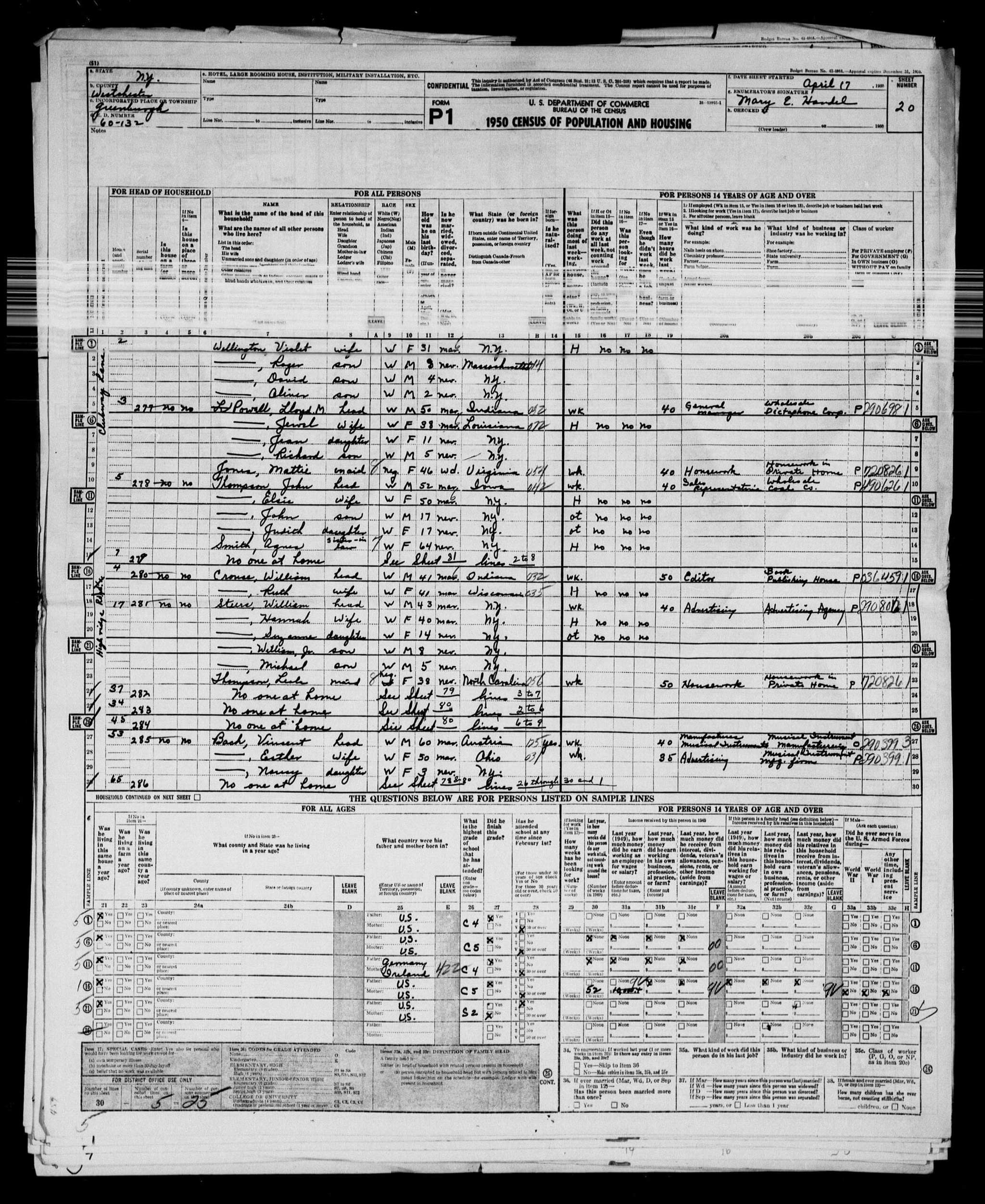
Daughter Nancy Bach is born
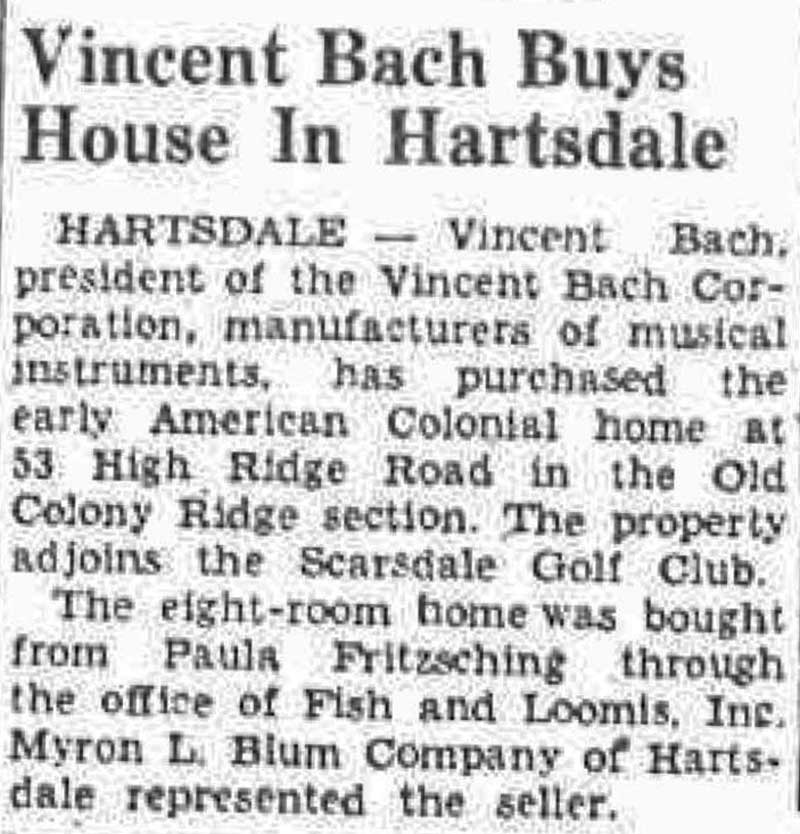
Living at 53 High Ridge Road Hartsdale, NY. (1950 census)
source: US Census (1950)
1947
March 20
Living in Hartsdale, NY
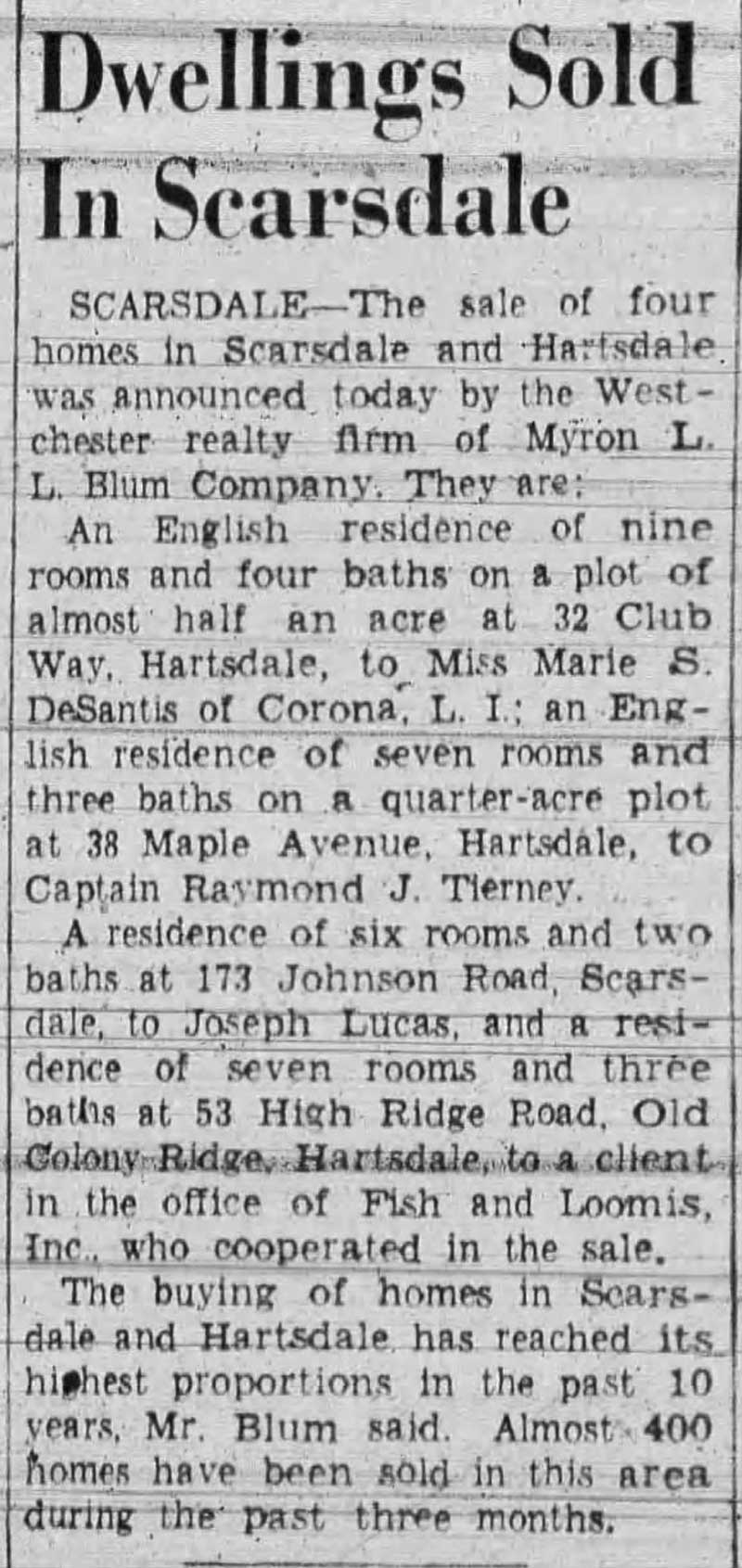
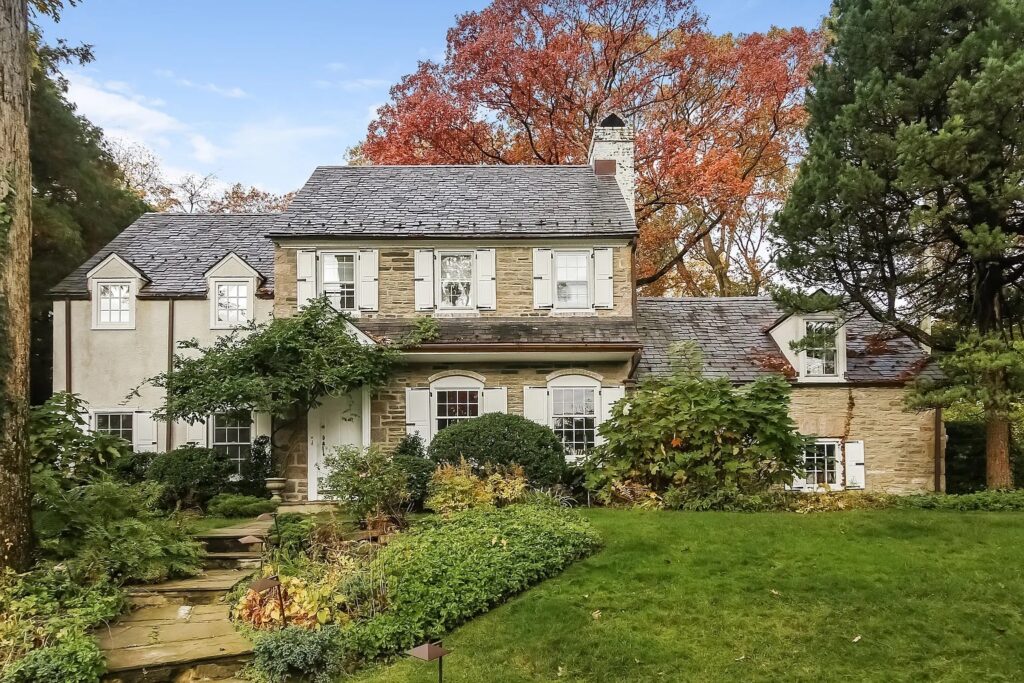
Living at 53 High Ridge Road Hartsdale, NY.
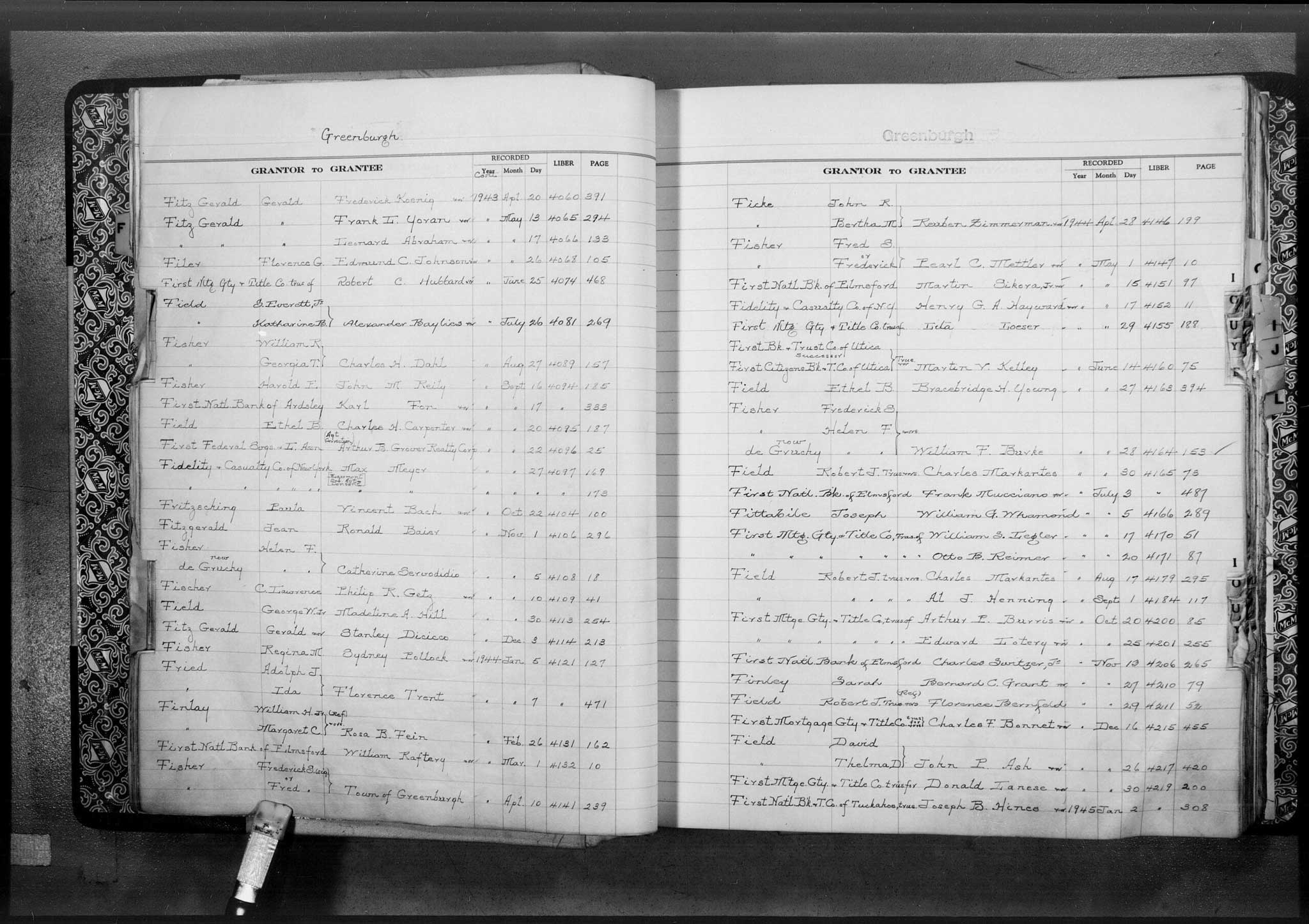
source: New York Land Assessment Records,
Oct. 22, 1943.
source: Zillow (2022)
1951, 1954
Summer
1950s
Elected President of the
National Association of Band Instrument Manufacturers (NABIM)
Re-elected July 1951
source: various musical instrument publications
1961
July 11
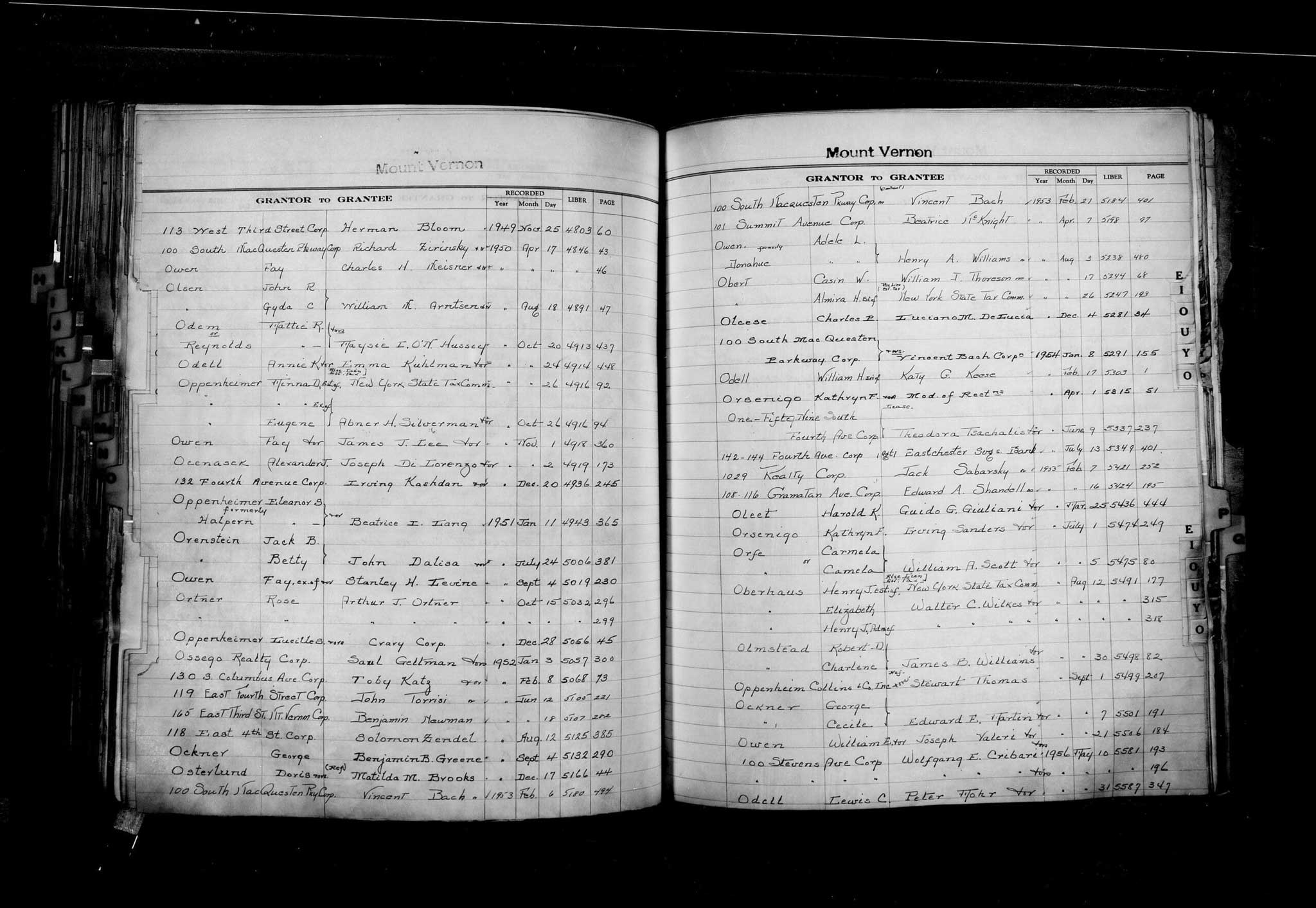
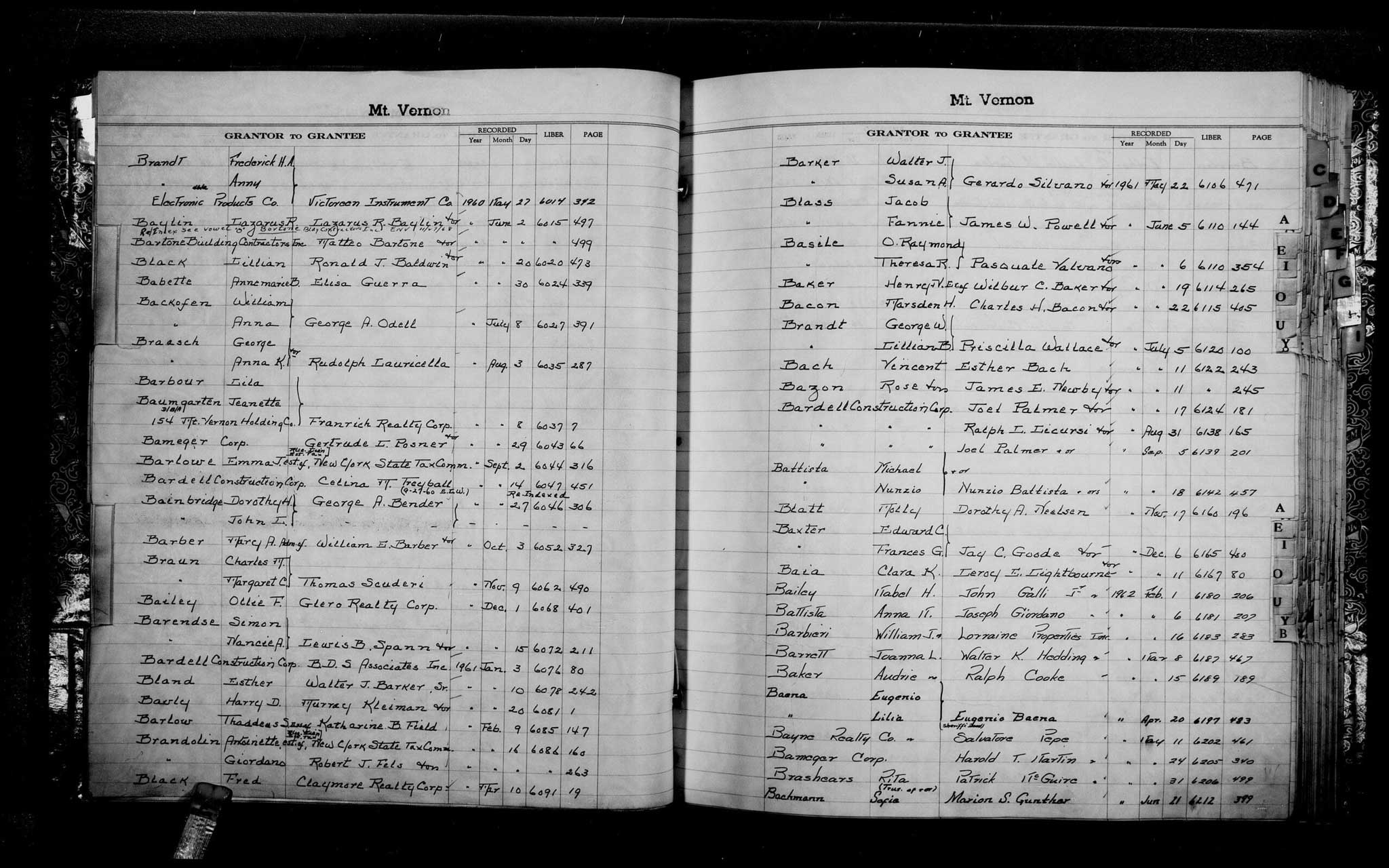
Sold Mt. Vernon Factory Property to Wife (Esther)
Sold the property at 100 South Macquesten Parkway to Esther Bach.
It is expected that selling the Mt. Vernon property in July 1961 to Esther was in preparation of the sale of Vincent Bach Corporation and related tax planning.
source: New York Land Assessment Records,
1961
1976
Jan. 8
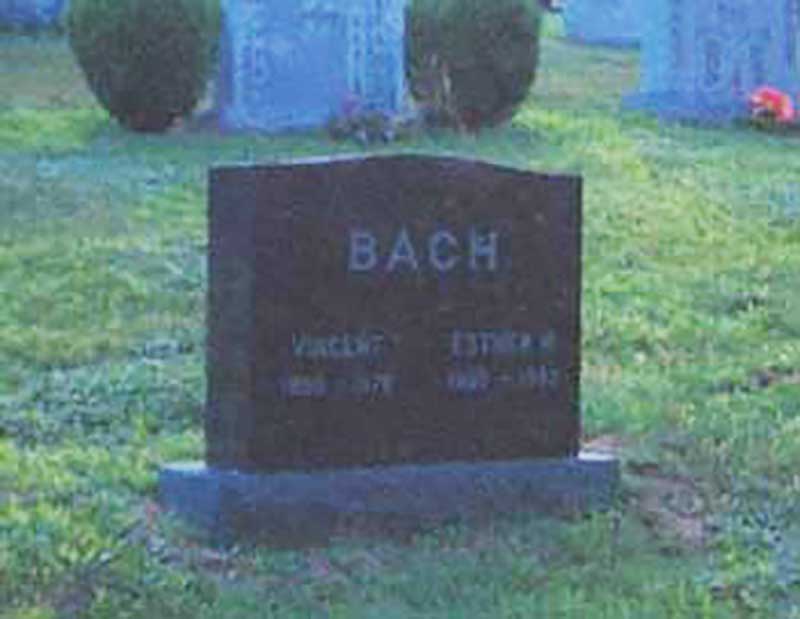
Vincent Bach Burial
Vincent Bach; 1890-1976
Buried in the Kensico Cemetery, Valhalla, NY
source: (photo) Bill Siegfried
source: https://www.kensico.org/
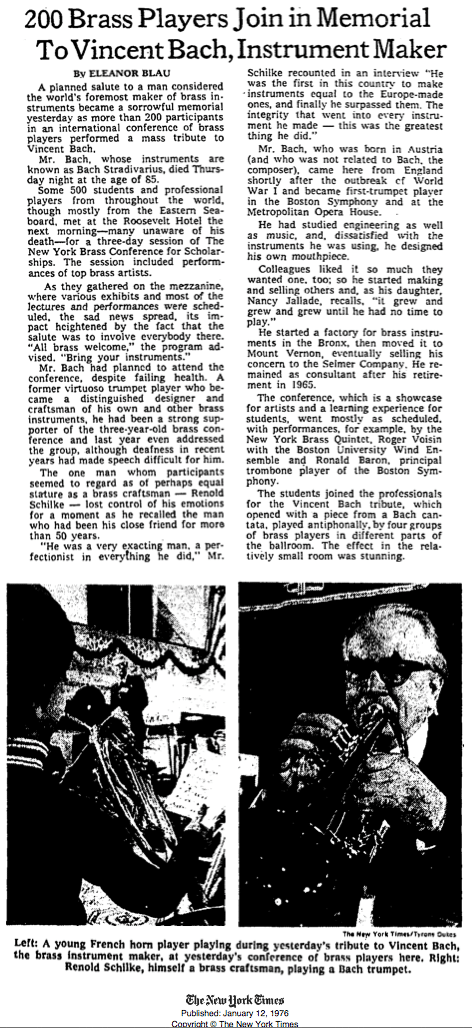
1976
Jan. 12
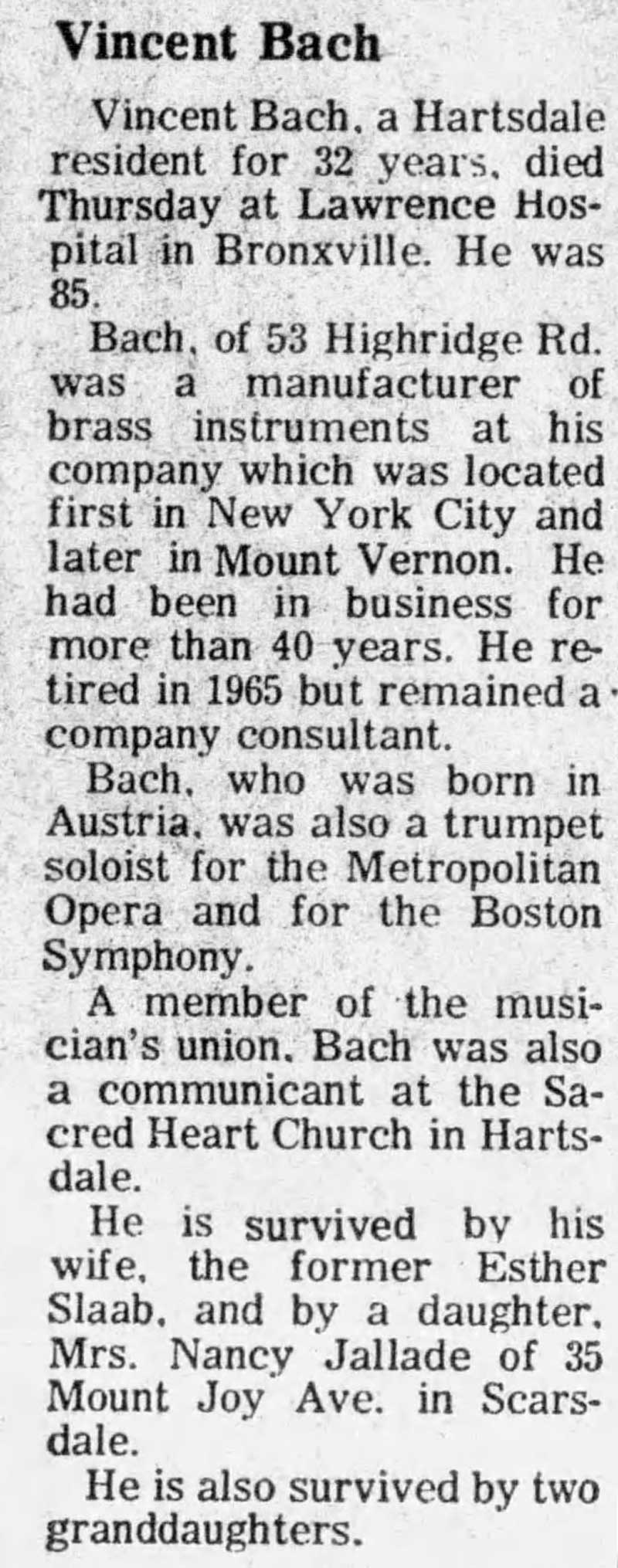
Esther Staab Bach Dies
BACH, Esther Staab of Hartsdale, NY on June 21, 1982. Wife of the late Vincent Bach. Mother of Mrs. Brooke (Nancy) Jallade.
Also survived by 2 Grandchildren. Friends may call at the BENNETT FUNERAL HOME Scarsdale Ave., Scarsdale Wed 7-4 & 7-9 p.m. Mass of Christian Burial to be held at Sacred Heart Church Hartsdale Thursday 10 a.m.
Esther Helen Staab was born on March 21, 1900, in Hamilton Co., Ohio.
source: Gannett Westchester Newspapers
Wednesday, June 23, 1982 Page 14
Additional References
Musician
“As a brilliant musician, a graduate mechanical engineer, and a practical manufacturer, Vincent Bach is eminently qualified to speak on all subjects related to brass instruments. What proved to be his life work really began at the early age of six years, when he was introduced to the violin and bugle. His aptitude was for the bugle, and having developed an excellent embouchure, his thoughts turned to the trumpet. At fourteen, Vincent Bach began taking lessons from Georg Stellwagen, principal trumpet player with the Vienna Tonkunstler Orchestra. Mr. Stellwagen was considered one of the greatest trumpet virtuosos in Europe. Later, Bach took lessons from the First Trumpeter of the Vienna Opera House while pursuing his studies to become a mechanical engineer, that being his chosen profession.
After graduation, Bach’s first engagement was as an officer of Engineers in the Austrian Navy. Concluding his military obligations, he went to work as a construction engineer in an elevator factory in Vienna. His artistic impulses, however, had never lagged, and his unusual ability on trumpet and cornet attracted such attention that the emoluments from his music far exceeded his earning capacity on the job he held, that he turned to music exclusively.
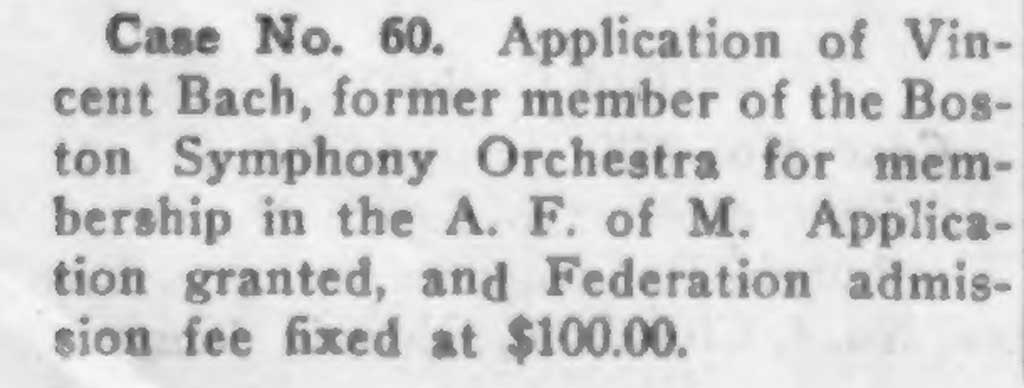
Vincent Bach became a cornet virtuoso in his own right, a concert artist with well-received recitals in Austria, Germany, England, Denmark, Sweden, Russia, and Poland. At about the same time as the outbreak of the First World War, he came to the United States. Briefly, after his arrival, he was engaged as First Trumpeter with the Boston Symphony Orchestra under the leadership of Dr. Karl Muck.
The following season Bach appeared as a trumpet soloist throughout the summer of 1915 at the San Francisco Exposition. Following that engagement, he returned to New York to play First Trumpet with the world-famous Russian Diaghilev Ballet at the Metropolitan Opera House. Later he toured the principal cities of the United States with this Ballet.
source: 1954 Embouchure & Mouthpiece Manual
“Born Vincent Schrotenbach in Vienna in 1890, he initially received training on the violin, then switched to the trumpet when he heard its majestic sound. Although Vincent also displayed a strong aptitude for science and graduated from the Maschinenbauschule with an engineering degree, he gave up a promising engineering career to pursue his first love and an uncertain future as a musician. The risk paid off. Performing under the stage name of Vincent Bach, he established musical success as he toured throughout Europe.
World War I forced Vincent’s move to New York City where he arrived with only $5.00 in his pockets. A letter to the famous conductor Karl Muck got Vincent an audition and a resulting position with the Boston Symphony. By the following season, Vincent was first trumpet in the Metropolitan Opera House opera and ballet orchestras, performing in the American premiere of Stravinsky’s Petroushka and Firebird. While on tour in Pittsburgh, Vincent was convinced by a repairman who said that he could improve the mouthpiece on Vincent’s trumpet. After the man ruined the mouthpiece, Vincent had great difficulty finding a suitable replacement. This was the beginning of Vincent’s realization of the very real need for high-quality mouthpieces.
source: BachBrass.com (2020)
Military Service - World War I
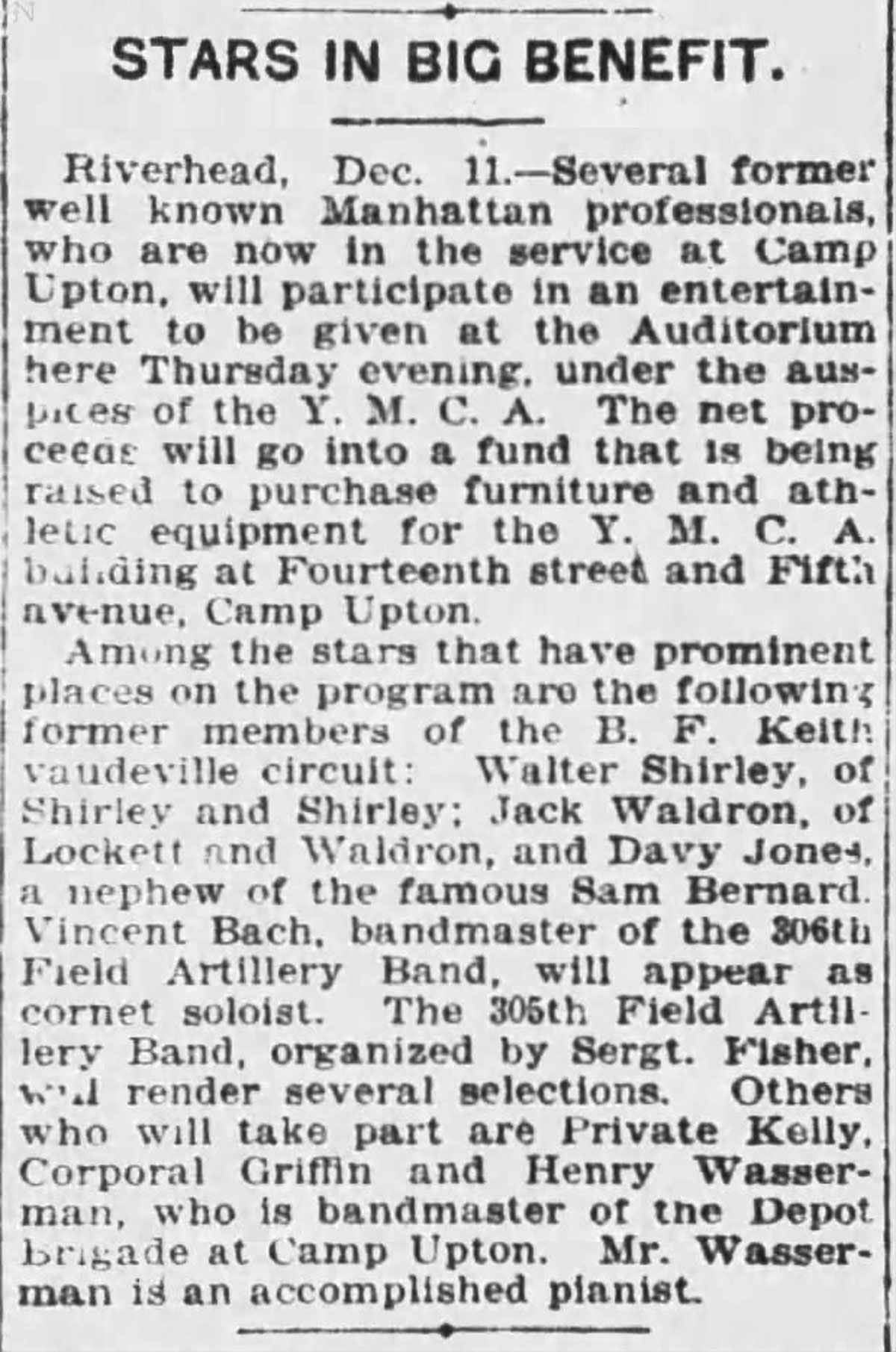
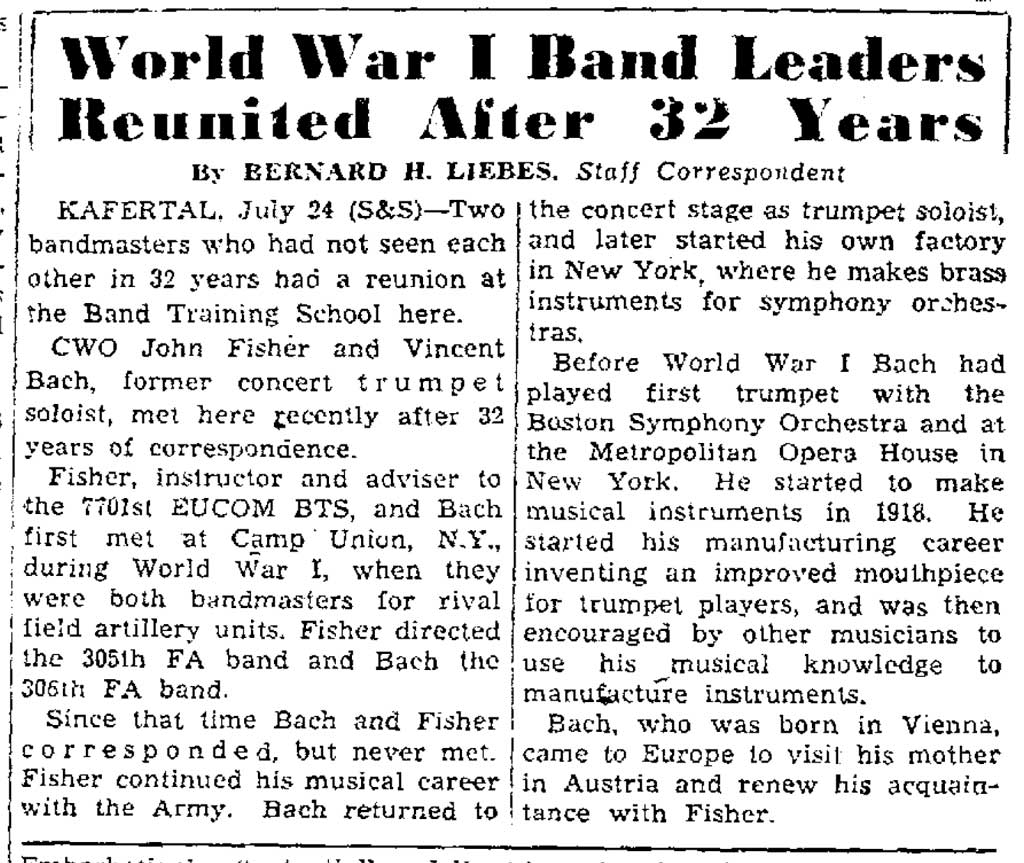
From US Military records, there seems to be a slight variation of this story of Vincent Bach in 1917-1918. Vincent was listed as a Sergeant Bugler in Vincent’s official military records (see the above records in the timeline). No mention of being the “Bandmaster” in the 306th Field Artillery Regiment bandmaster has been found yet. Regardless, Vincent was drafted in 1917 and left the US Army in the Spring of 1918.
“In 1917, when America entered the First World War, Mr. Bach became Bandmaster of the U.S. 306th Field Artillery Regiment.”
source: 1954 Embouchure & Mouthpiece Manual
“His discovery was further substantiated when, during the World War, Vincent served as sergeant and bandmaster of the 306th Army Field Artillery Band at Camp Union, Long Island. As head of the bugle school, Vincent found both mouthpieces and instruments to be of inferior quality. While on furloughs, Vincent went to New York City where he remodeled old mouthpieces and made new ones in a back room of the Selmer Music Store. In 1918, while performing part-time at the Rivoli Theater, Bach invested $300 for a foot-operated lathe and an office at 11 East 14th Street to begin the business of producing mouthpieces. The business grew rapidly and, in 1924, the first Bach trumpets were manufactured. Musicians frequently referred to a Bach trumpet as “a real ‘Stradivarius’ of a trumpet,” thus inspiring the brand name Bach Stradivarius. Bach trombones followed in 1928.”
source: BachBrass.com (2020)
Innovator & Businessman
“At the conclusion of his military service, he played as soloist in various New York theatres (Rivoli, Capitol, Rialto and Roxy) and during this period he open a small shop, at first for the sole purpose of making mouthpieces for his own needs. However, when musicians heard his play the “high F” during his solos, they wanted to know what mouthpiece he was using and they begged him to duplicate mouthpieces for them. Without serious intention of becoming a business man, Vincent Bach was practically forced into the manufacture of mouthpieces and the little shop grew at such a rapid pace that he was compelled to give up his theatre work.”
source: 1954 Embouchure & Mouthpiece Manual
Selling the Business
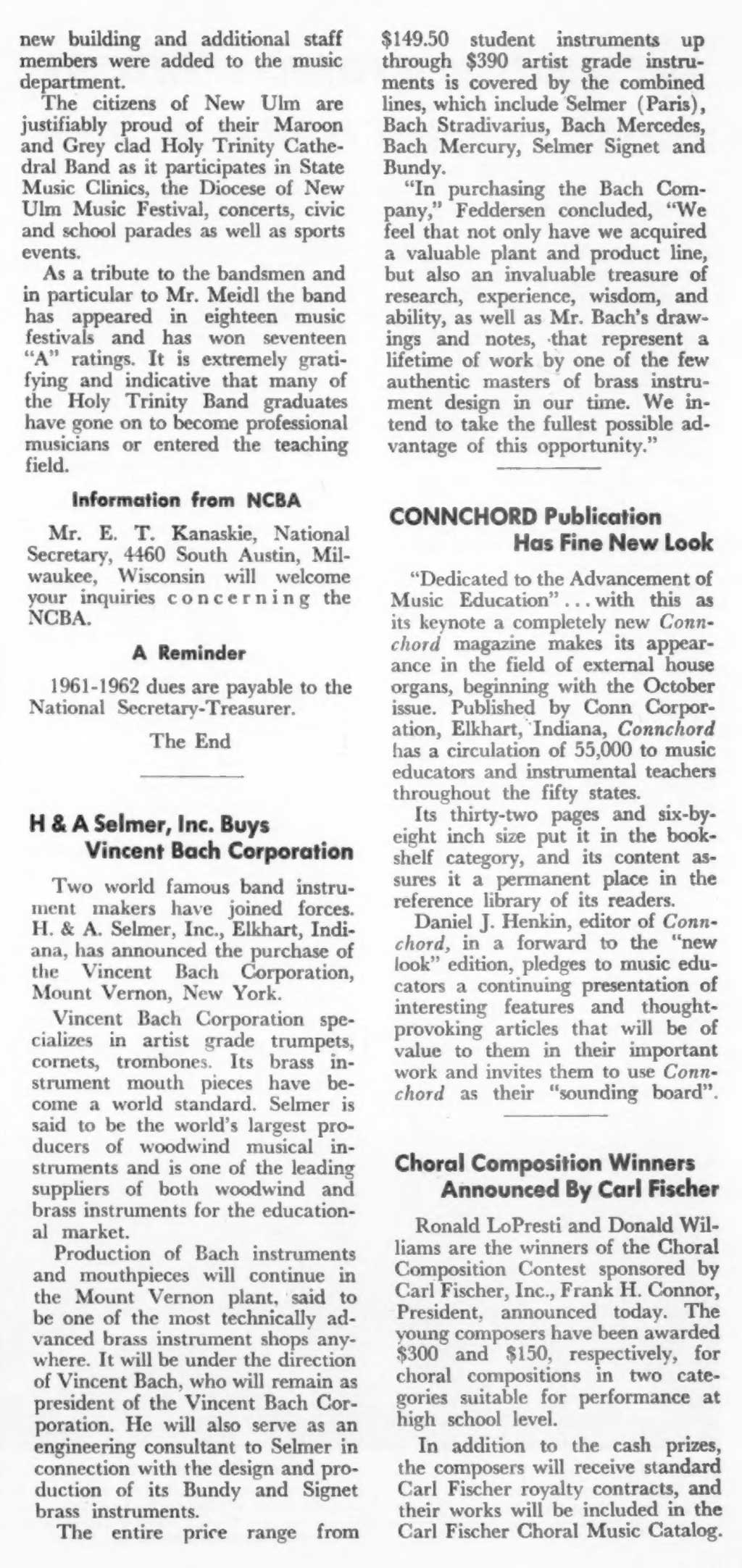
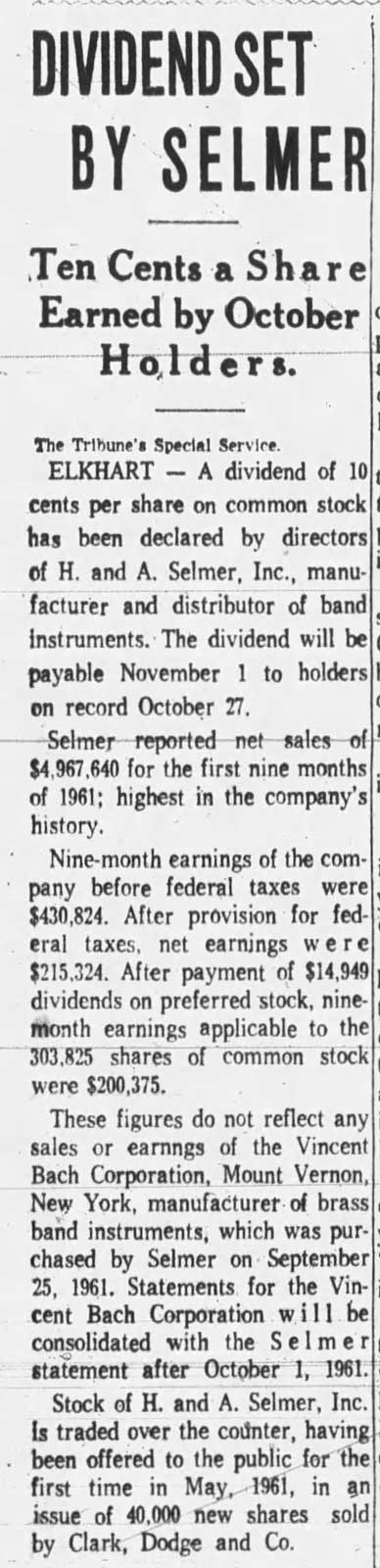
“At the age of 71 in 1961, Bach decided to sell his company. Although he received twelve other offers, including some that were higher, Vincent chose to sell to The Selmer Company. His close relationship with Selmer over the years convinced Vincent that this was the company that would preserve the Bach tradition of excellence and expand upon the foundations he built. All tooling and machinery was moved from Mount Vernon, New York to Selmer’s operations in Elkhart, Indiana, with Vincent assisting in the training. True to Vincent’s vision, The Selmer Company still painstakingly follows Bach’s original designs and blueprints to this day.”
source: The Selmer Company (1998)