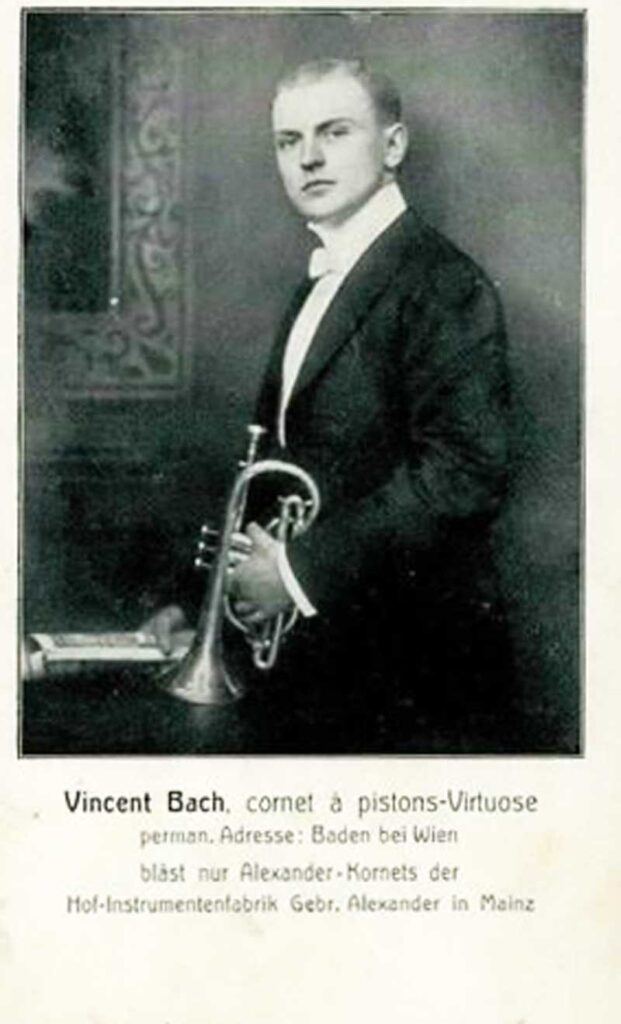
BachLoyalist.com is the ultimate reference to everything related to Vincent Bach & Bach Stradivarius brass instruments. This site has grown through the contributions of fellow Bach loyalists and is one of the most complete references of Bach-related instruments.
Vincent served in the Austro-Hungarian Navy as an engineer (1910-1911) and later as a musician (1912-1913) and in the US Army (1917-1918) during World War I. These experiences all shaped Vincent’s life and became important skills as Vincent began his business of manufacturing mouthpieces and brass instruments.
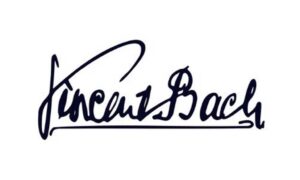
Note: In the historical references below, we use the name “Vincent Bach”, but he would have been referred to as his legal name, “Vincenz Schrottenbach”, during his time with the Austrian Navy and when drafted into the US Army in 1917. He began using his stage name, Vincent Bach, in 1913, as he was performing outside of Austria and Germany.
Note: Vincent would refer to his time in the Austrian Navy, but is better known as the Austro-Hungarian Navy, or the Imperial and Royal War Navy. In German, this was known as the “kaiserliche und königliche Kriegsmarine”, in short the k.u.k. Kriegsmarine.
Austrian Navy | July 1910 to July 1911
"It's great to be a sailor"
” I graduated from college in July 1910, got my engineering diploma, and then had to register for military services as Einjährig-Freiwilliger (Ensign) in the Austrian Navy’s engineering branch.” – Vincent Schrottenbach (Bach)
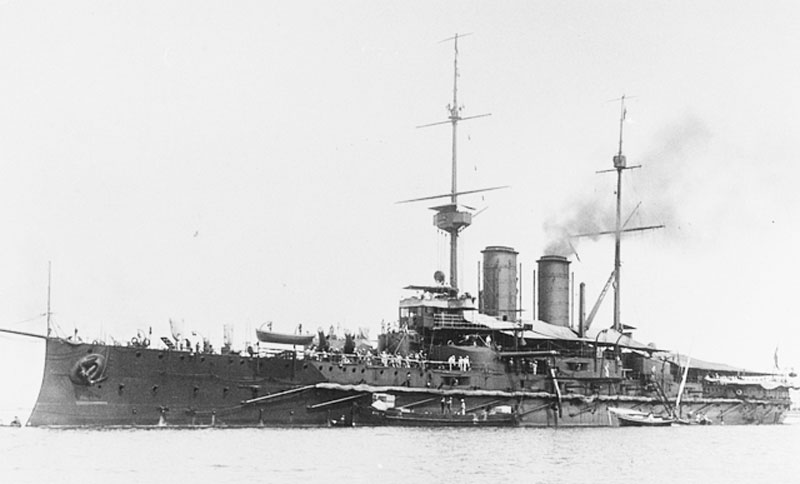
Vincent joined the Austrian Navy in July 1910, at the age of 20, and was stationed on the SMS Erzherzog Franz Ferdinand, an Austrian pre-dreadnought battleship, where he served his one-year requirement until July 1911. He was based in the Austrian Naval port of Pula (Pola), and his travels during that year took him to ports in Italy, Greece, and Turkey.
During this time, Vincent did not regularly practice the cornet, and he described that his cornet playing was badly neglected.
” … (my) cornet (playing) was badly neglected.” – Vincent Schrottenbach (Bach)
NOTE: Vincent did NOT join the Austrian Navy to be a member of the Austrian Navy Band, but rather to fulfill his one-year military service requirement. He would join that band later when he was called back to service from December to May 1913.
SMS Erzherzog Franz Ferdinand, circa 1909-1910
After serving for one year in the Austrian Navy, Vincent returned home in July 1911. He quickly found a paid job as a mechanical engineer at the Wertheim Kassen and Elevator Factory in Vienna, where he designed elevators/lifts and was paid $5.00 per week. (25 crowns/kronen).
Soon, Vincent found that he was making more money as a cornet soloist in local social clubs and venues. He would leave his engineering job around 1912 and become a cornet virtuoso soloist, starting to perform across Europe, including England.
source: Musicus Vacabundus, Vincent Bach's unpublished biography
source: BachLoyalist Research
source: The Life and Work of Vincent Bach, The Early Years
Andre Smith, Dec. 1994, ITG
Austrian Navy Soloist - December 1912 to ~ April/May 1913
"It's great to be a sailor (again)... ... this time with the Austrian Marine band, as a soloist"
Following the outbreak of the First Balkan War (October 1912 – May 1913), which Vincent referred to as the “Turkish War”, Vincent received a telegram in December 1912 to report as a Navy reservist with the Austrian Navy in Pula. Vincent, at the time, was preparing for a solo concert series in England.
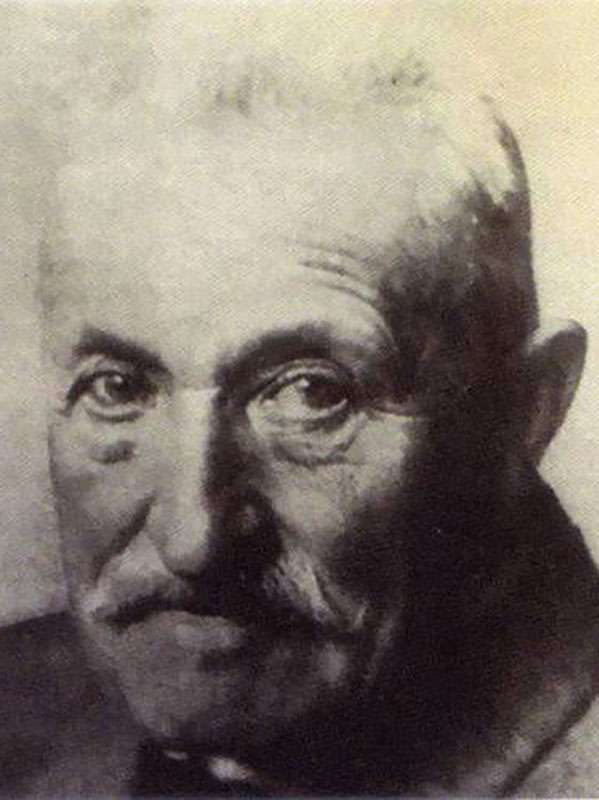
Upon arriving in Pula, Vincent made contact with the Kapellmeister (Director) of the Austrian Marine Band, Major Franz Jaksch, and joined as a cornet soloist. Franz Jaksch served as the bandmaster of the Pula Navy Orchestra from 1899 to 1917. An in-depth research paper on Maestro Franz Jaksch and the Pula Navy Orchestra can be found here.
Franz Jaksch
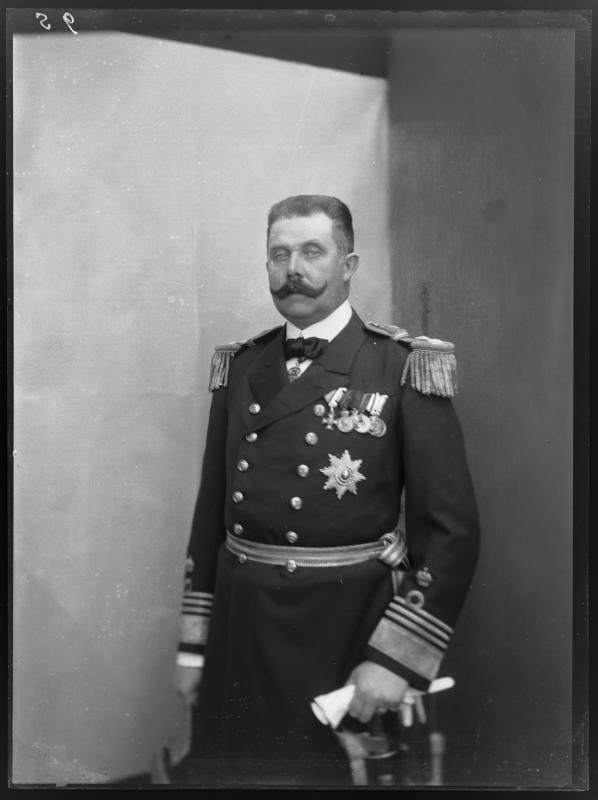
Archduke Franz Ferdinand circa 1913-1914
During his time with the Austrian Navy Band in Pula, Vincent was requested to play for Archduke Franz Ferdinand, the Grand Admiral of the Navy, for the Admiral’s birthday celebration. This would have been around December 18, 1912, the Archduke’s birthday, soon after Vincent had arrived in Pula earlier in the month of December.
Coincidentally, Vincent served on the SMS Erzherzog Franz Ferdinand during his first enlistment with the Austrian Navy – imagine his surprise at meeting the person whose ship he had served on was named after.
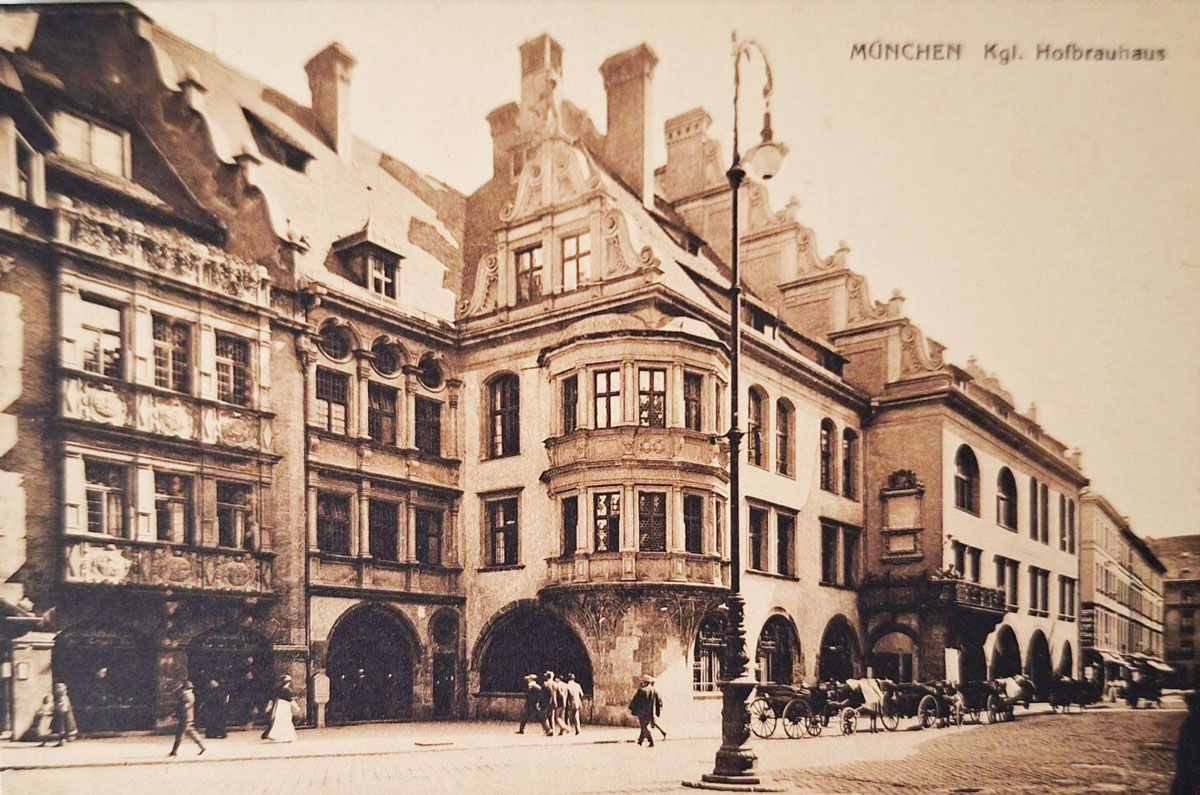
Soon after this performance, the Austrian Marine Band performed at the Munich Bräuhaus. Following this performance, Vincent was approached by a promoter to be a cornet soloist after completing his service in the Austrian Navy. Vincent shared this with Kapellmeister Franz Jaksch, who requested approval to let Vincent discharge early from the Navy. The request was approved, and Vincent was allowed to leave the Austrian Navy.
It is expected that Vincent left his service with the Austrian Navy Band in May 1913, following a tour in April of that year.
Munich Hofbrauhaus - circa 1913
At this point, Vincent stayed in Munich performing at the Coliseum Variete in Munich, Germany, before touring in Germany, Denmark, Sweden, Russia, and England (Summer 1913 / Summer 1914) – before immigrating to the United States in September 1914.
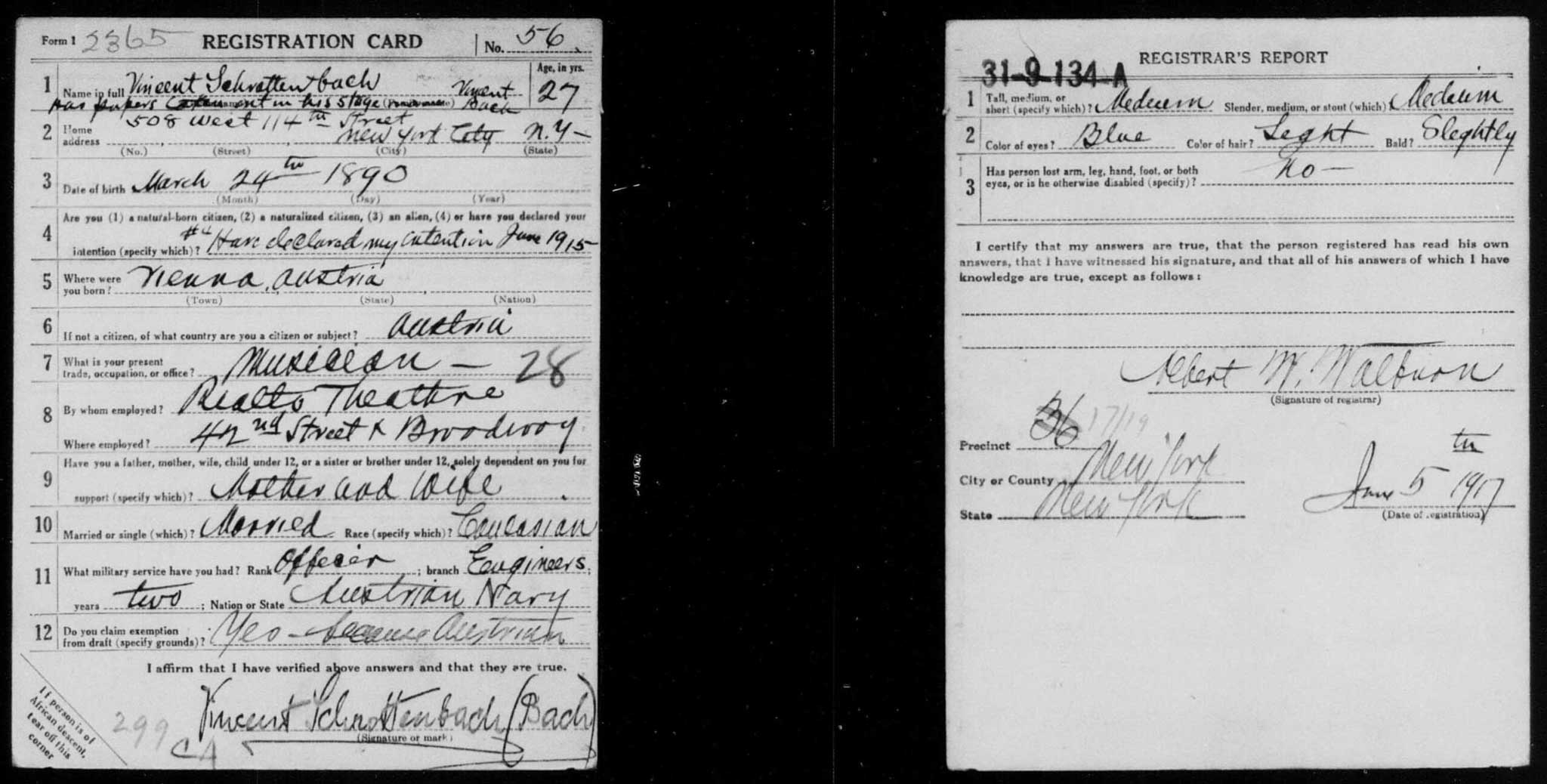
Vincent registered for the draft (June 5, 1917) as the United States entered World War I.
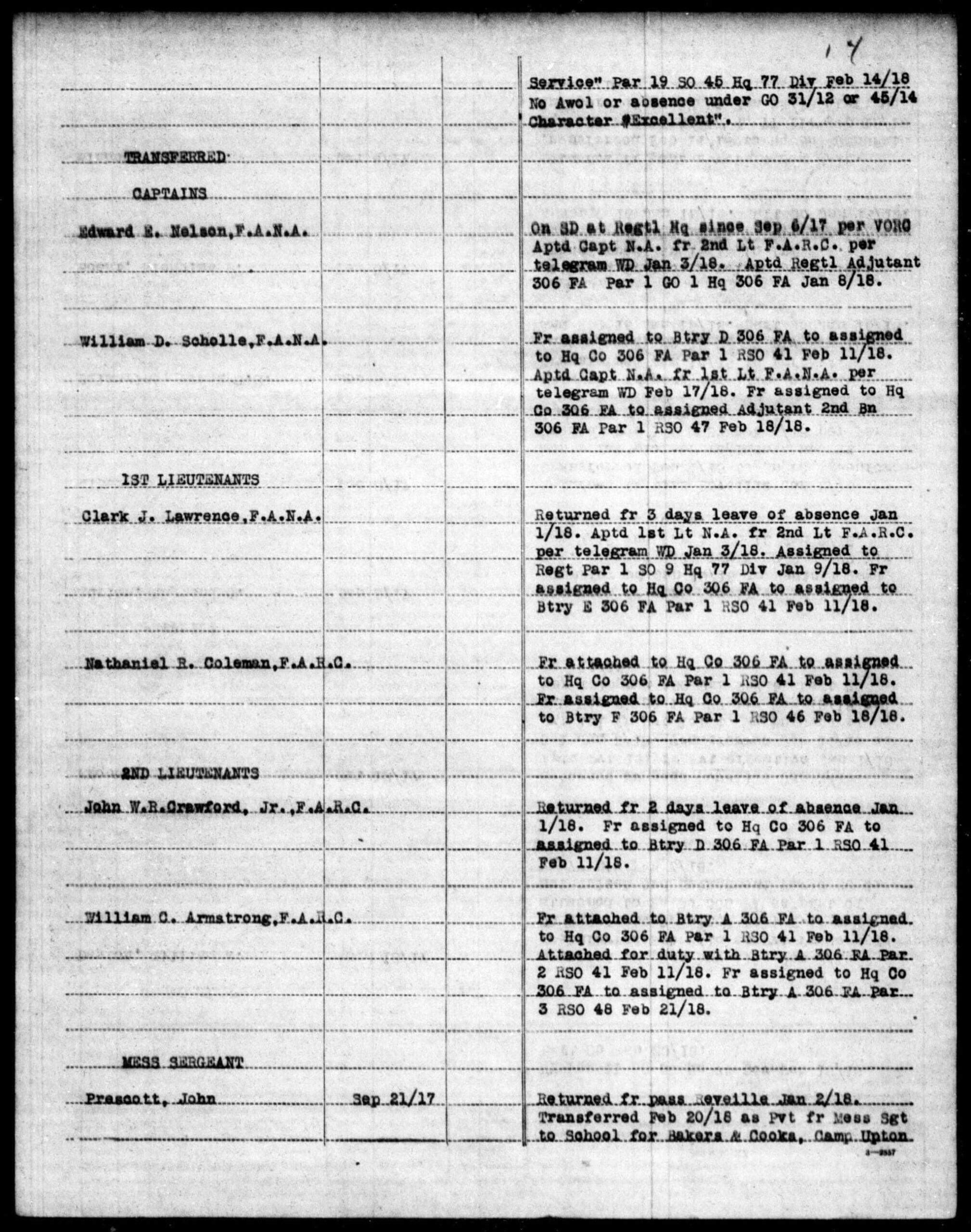
Vincent had previous military experience (Austrian Navy) and was a professional musician, so leading the Camp Upton Bugle School and the 306th Field Artillery Regiment Band was an obvious fit.
During this period, Vincent began manufacturing mouthpieces for military musicians stationed at Camp Upton, located in the repair room at the Selmer Store in New York City. This marked the beginning of Vincent’s future as a musician, engineer, manufacturer, and entrepreneur, laying the groundwork for his future “brand” and “business.”
US Army Draft Registration
Vincent Schrottenbach (Bach) completed his draft registration card on Tuesday, June 5, 1917. Vincent was 27 years old, living at 508 West 114th Street in New York City, and listed his occupation as a musician at Rialto Theatre, at 42nd and Broadway.
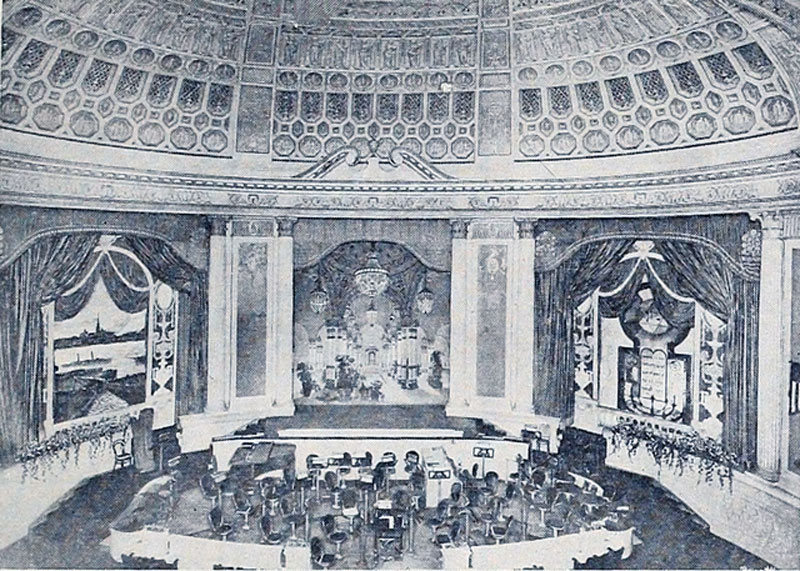
The Rialto Theatre, at the corner of 42nd & Broadway, opened in April 1916 and had a large seating capacity. (1960 seats) Vincent and the featured soloist for the theatre.
The management of the theatre also managed the Roxy Theatre, where Vincent was later the featured soloist in 1927. The original Rialto Theatre was demolished in May 1935 and replaced with a smaller Rialto Theatre.
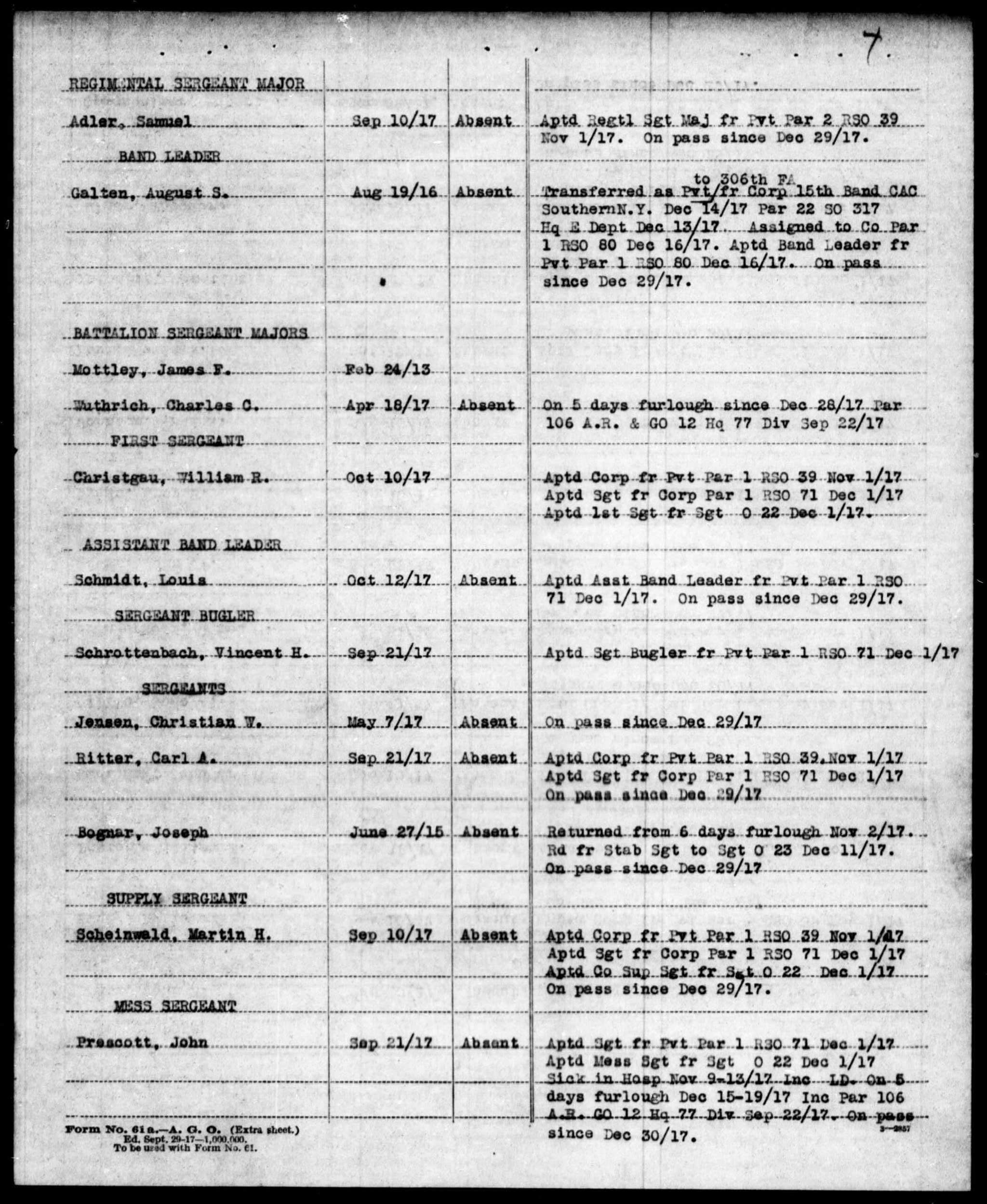
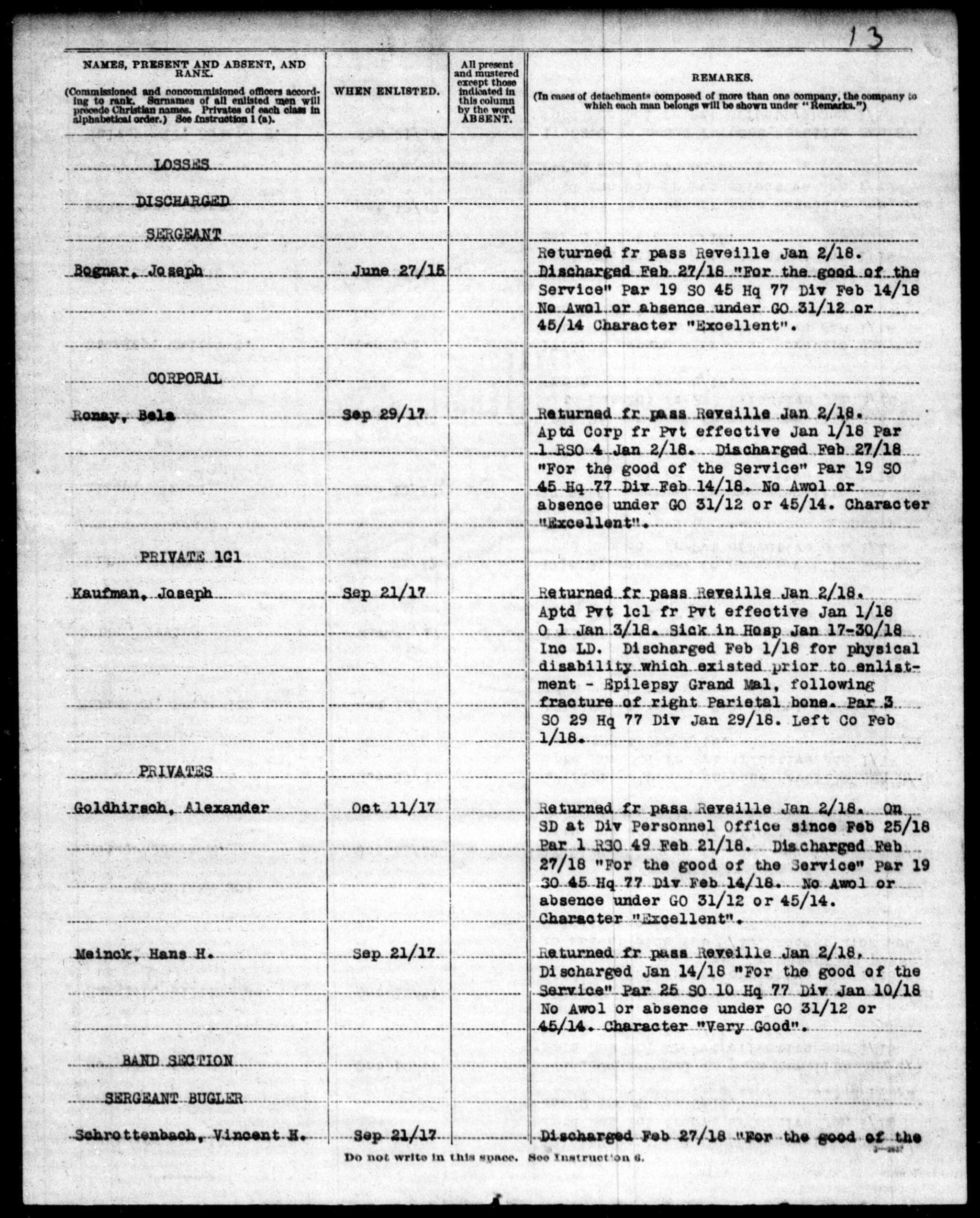
Vincent was inducted into the US Army as a “Sergeant Bugler” on September 21, 1917, at Camp Upton, Long Island, New York, approximately 1.5 hours from New York Pennsylvania Station to Yaphank, when trains were running on time.
” In 1917, when America entered the First World War, Mr. Bach became Bandmaster of the U.S. 306th Field Artillery Regiment.
Sergeant Bugler Appointment Sept. 1917
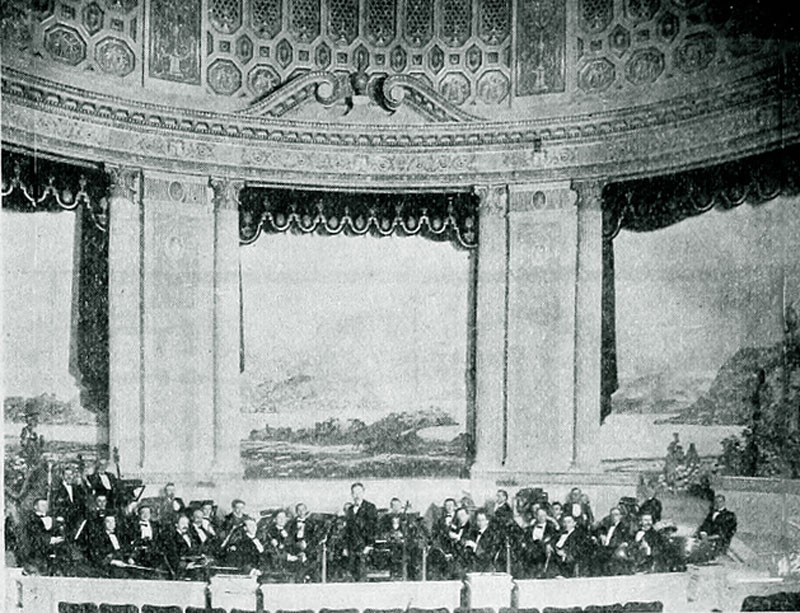
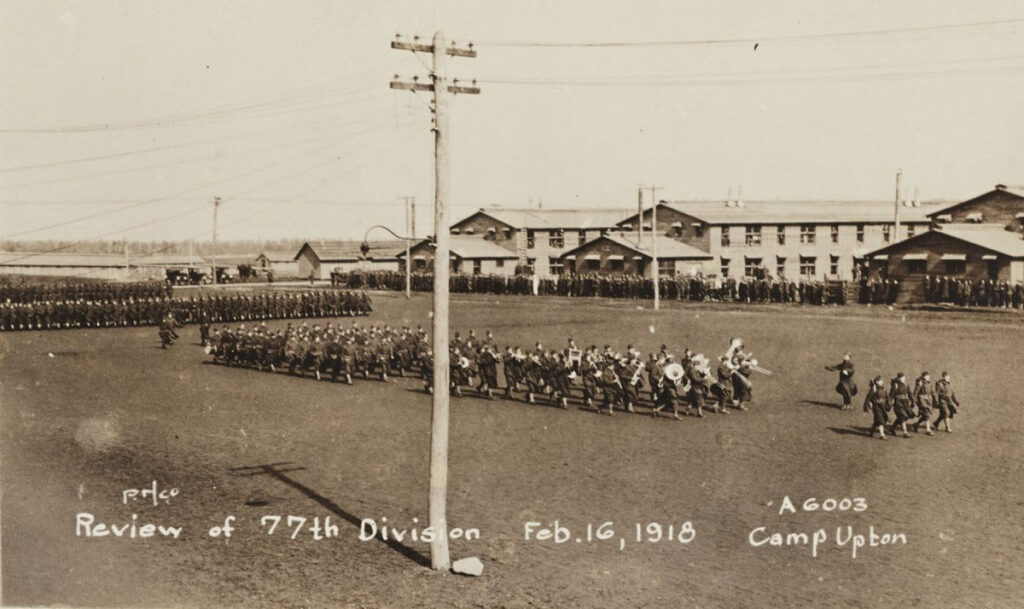
77th Division Band, Camp Upton circa Feb. 1918
Vincent & US Army - Bandmaster of the 306th Field Artillery Band
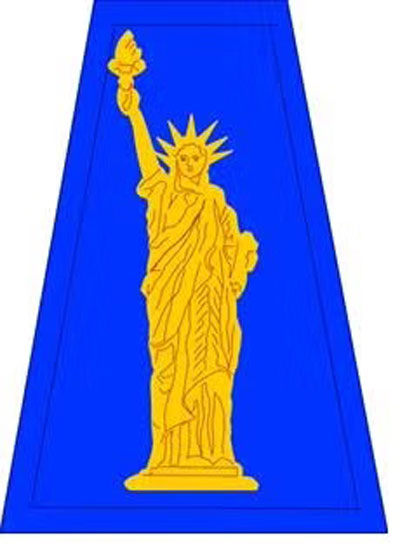
Vincent was assigned musicians (not all were musicians), and he began to build the 306th Field Artillery Band in the early Fall of 1917. He would also lead the Bugle School at Camp Upton. The 306th Field Artillery Regiment was part of the 77th Infantry Division, commonly known as the “Statue of Liberty Division.” It was also referred to as a “Melting Pot Division” during World War I, due to the extensive diversity of immigrants that served within the division.
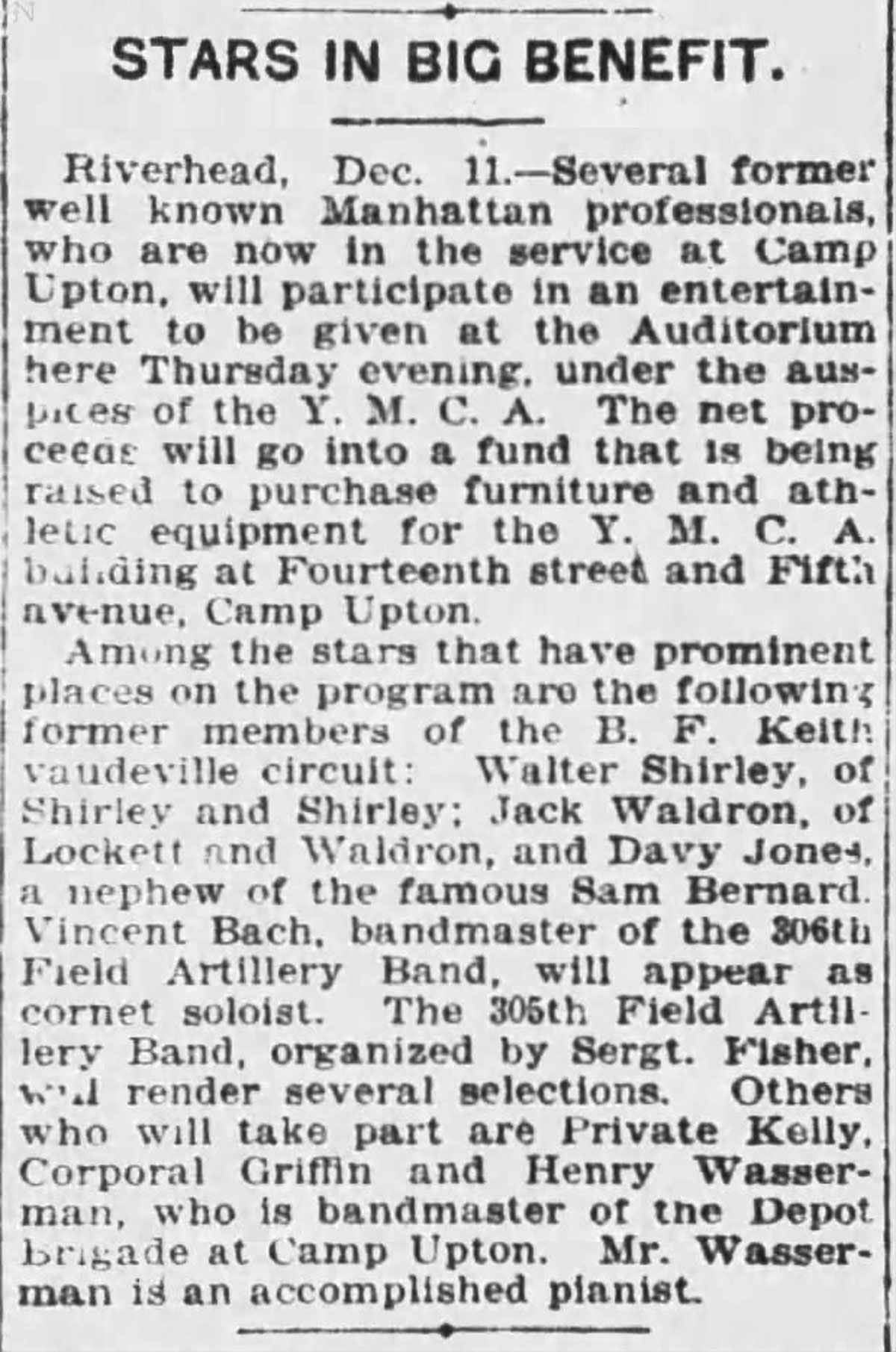
Vincent referred to this period as fortunate, as he was drafted, giving him a chance to recuperate his embouchure after his multiple daily performances on Broadway. However, Vincent played a few benefit concerts during this time, including this reference from December 1917 in Riverhead, Long Island, New York.
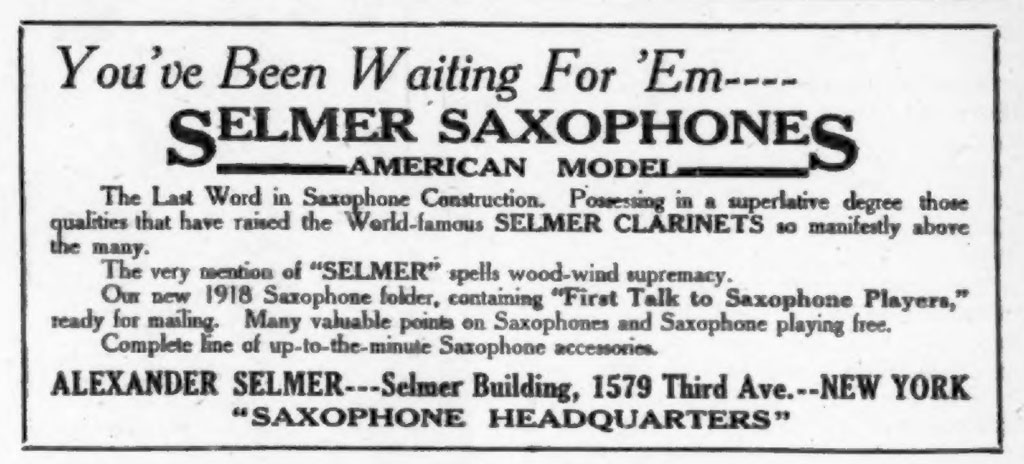
During this time at Camp Upton (Fall 1917 – Feb. 1918), Vincent would use his furloughs to visit the Selmer Store on Third Avenue and 89th Street, where he would make and modify mouthpieces for military band members.
After some time, Vincent was politely asked to stop using the lathe and equipment at the Selmer Store. For more information about this store, please visit this link.
Vincent & US Army - Discharged from the Army
After 6+ months in the US Army, Vincent Schrottenbach (Bach) was honorably discharged from the US Army on February 27, 1918, noted he had “excellent character,” and was paid $35.00.
Vincent returned to his professional playing at multiple theatres on Broadway as a cornet soloist, including the Rivoli theatre which had just opened.
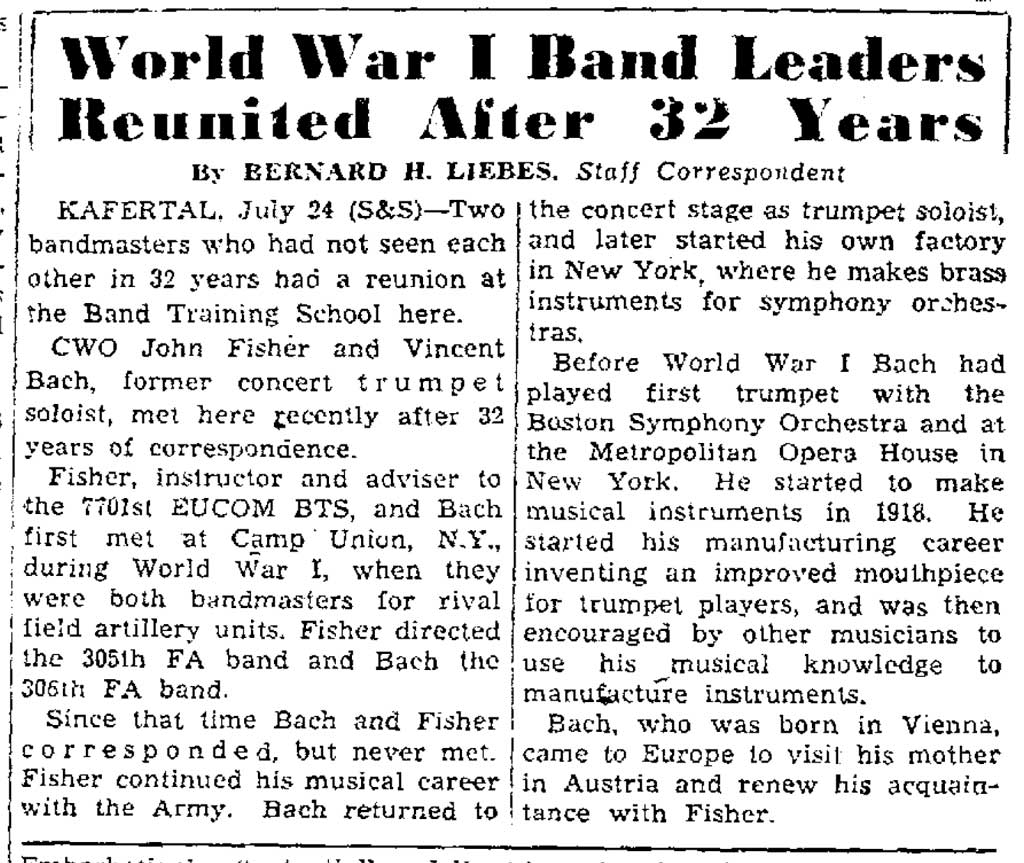
Later in life, Vincent would meet some of his former Army musicians and colleagues as he traveled. This example from 1948 was a meeting with the John Fisher, Bandmaster of the 305th Field Artillery band.
source: US Army military records
source: BachLoyalist research
source: Musicus Vacabundus, Vincent Bach unpublished biography
BachLoyalist - Everything about Vincent Bach Instruments
BachLoyalist.com is the ultimate reference to everything related to Vincent Bach & Bach Stradivarius brass instruments. This site has grown through the contributions of fellow Bach loyalists, and is one of the most complete references of Bach related instruments.